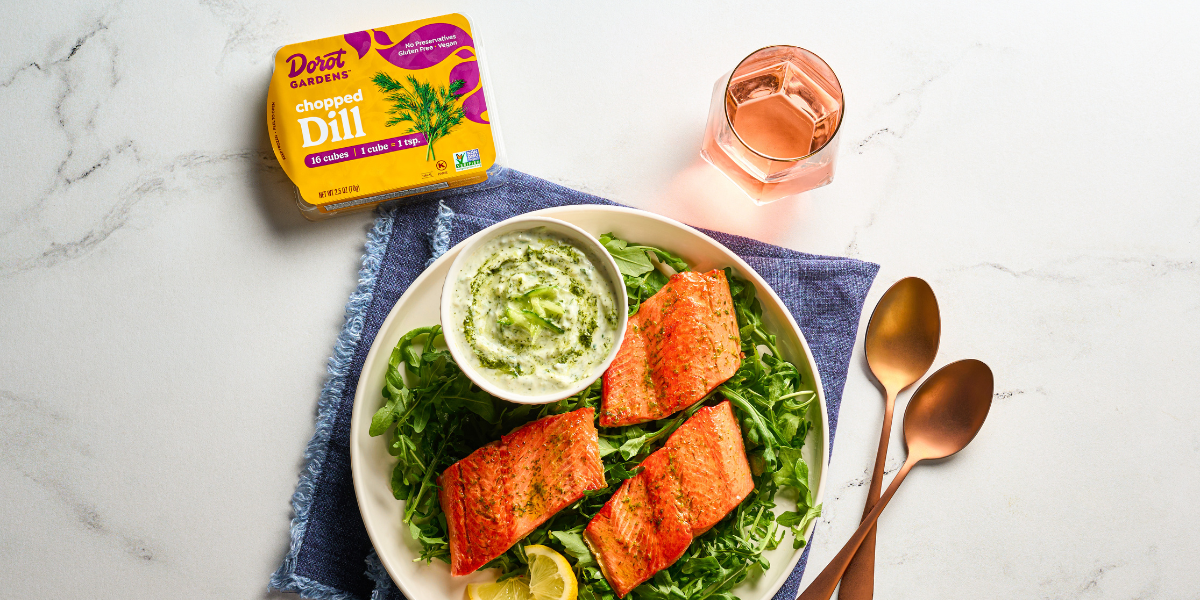
Fresh dill has a distinctive flavor that combines anise and citrus notes, and it can instantly brighten everything from fish and eggs to dips and salads.
But what happens when you need that flavor and there’s no dill in sight? Whether it’s a seasonal shortage, a dislike of dill’s licorice hit, or a last-minute ingredient omission, you might be searching for a chopped dill substitute.This guide walks you through smart herb swaps and shows you why Dorot Gardens dill cubes make it easier than ever to enjoy real dill flavor with zero stress.
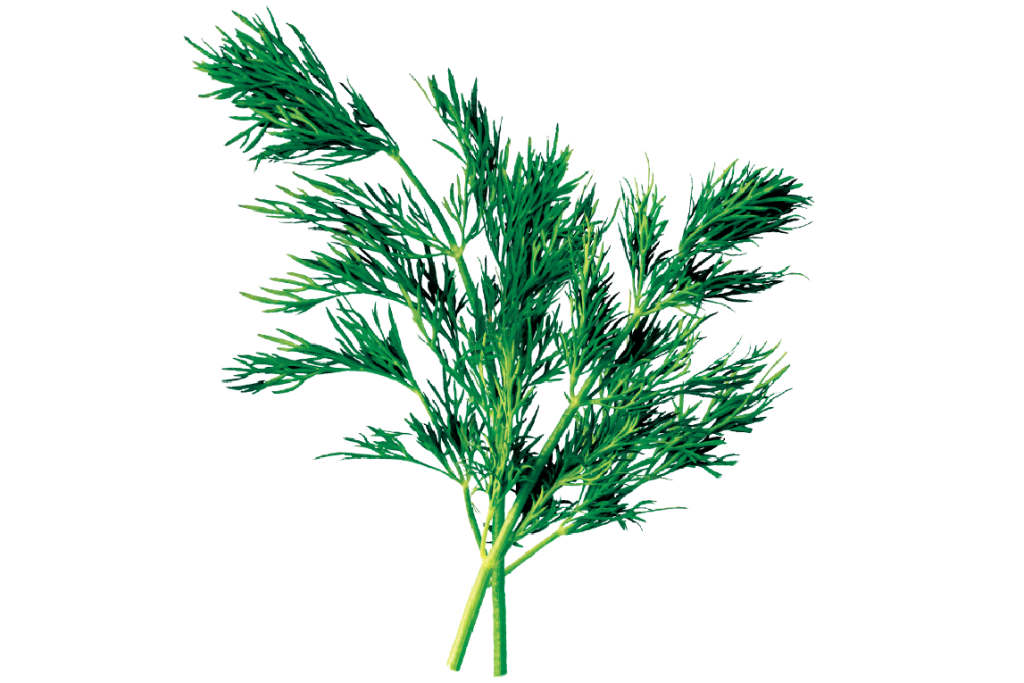
What Is Fresh Dill?
Dill is a delicate, feathery herb from the parsley family, prized for its bright citrus and mild licorice notes.
It’s a classic in pickles, potato salads, fish dishes, and sauces. Dill’s light aroma lifts creamy dressings and pairs perfectly with salmon, yogurt and butter-based sauces.
Beyond the taste, dill has long been appreciated in traditional cooking for its fresh, aromatic qualities.
Why You Might Need a Fresh Dill Substitute
Fresh dill isn’t always available year-round. You might need a fresh dill replacement because:
- you’re out of fresh dill
- it’s out of season or wilted
- you’re looking for a different flavor
- you want something easier and faster
Good news: you don’t have to sacrifice flavor. By selecting the right fresh dill alternative, you can tailor your dish to your taste.
The BEST Fresh Dill Substitutes
Here’s our definitive list of substitutes, starting with our favorite quick fix:
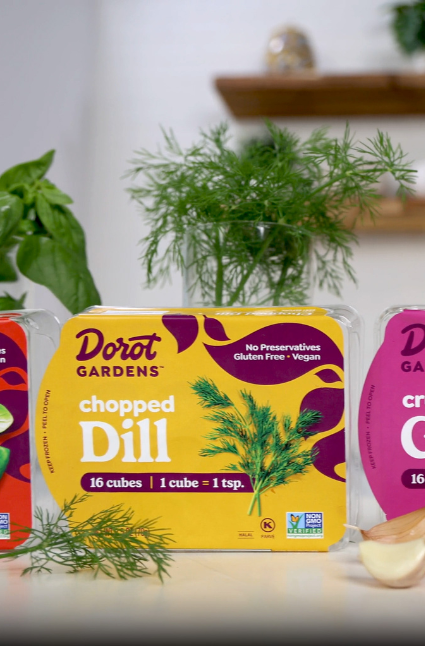
Dorot Gardens Chopped Dill
Why scramble for fresh herbs when your freezer can save the day? Dorot Gardens Chopped Dill cubes capture the flavor of fresh dill with none of the prep. Each cube holds about one teaspoon of chopped dill, and a tray of 16 cubes provides a convenient way to portion fresh dill. Simply pop a cube straight from the freezer into your dish; there’s no chopping or measuring.
The cubes are flash-frozen quickly once harvested, locking in peak flavor and nutrients. The best part? They’re designed to stay freezer-ready, so you’re always ready to cook. When you want a hassle-free, mess-free dill stand-in, Dorot Gardens is a simple, reliable fresh dill substitute.
Dried Dill
If you only have dried dill weed, it will work in cooked dishes, though it lacks fresh dill’s bright punch. Add it early in the cooking process so the flavor has time to bloom. Dried dill isn’t ideal for garnishes or cold dips, but it’s functional in soups and casseroles.
Fennel Fronds
The wispy tops of fennel bulbs look like dill’s cousin. They deliver a lightly licorice flavor, not identical to dill’s brightness but similar enough to work in salads, fish dishes, or potato sides. Use fennel fronds in a similar amount to dill, then adjust to taste, but know the licorice notes are a bit stronger. They’re best when chopped finely and stirred into cold dishes.
Note: fennel fronds aren’t always easy to find.
Tarragon
Tarragon, also called estragon, is common in French cooking and delivers a powerful anise hit. It’s excellent in creamy sauces, herb-roasted chicken and seafood. Because it’s stronger than dill, start with half the amount your recipe calls for. If you love an herbaceous twist, tarragon could become your go-to fresh dill alternative.
Basil
Basil has a bright, peppery flavor and shares dill’s soft texture. It won’t taste exactly like dill, but finely chopped basil blends nicely into egg dishes, pesto pasta and tomato-based sauces. Basil is more floral and less anise-like, so you may need to use a bit more to get the same impact.
Tip: Want a fast basil backup too? Try Dorot Gardens Chopped Basil cubes—pre-portioned and ready to pop in seconds.
Flat-Leaf Parsley + Lemon Zest
Parsley alone lacks dill’s licorice note, but when combined with a pinch of lemon zest, it becomes an excellent substitute. Use one tablespoon of chopped parsley with ¼ teaspoon lemon zest for every tablespoon of fresh dill. Parsley is widely available and adds bright, garden-fresh flavor. The lemon zest provides that slight citrus tang, making this blend perfect for potato salads, marinades, yogurt dips and grain dishes.
Tip: Use Dorot Gardens frozen parsley cubes plus a squeeze of fresh lemon to save even more prep time.
Chervil
Chervil is known as French parsley. It has a delicate texture and mild anise note, making it a subtle dill stand-in. It excels in salads, herb omelets and delicate sauces where you want a light hand. Chervil can be tricky to find fresh, and if it is dried, its flavor weakens quickly, so use more.
Chives
Chives bring a mild onion aroma that works well in similar contexts to dill. Think fish, eggs, and potatoes. They pack a bigger punch than dill, so start with ¾ the amount and adjust. Chives will steer your dish toward an oniony profile, so pair them with creamy or buttery bases.
Mint
Mint adds a fresh, grassy flavor with subtle anise undertones. It’s potent, so use sparingly, about half the amount of dill. Mint shines with cucumbers, green beans and peas, giving summer salads a bright lift. Too much can overwhelm, so taste as you go.
Thyme
Fresh thyme brings delicate, slightly earthy notes. It’s ideal for roasted potatoes, savory crackers and breads. Use thyme in the same quantity as dill, and sprinkle it over finished dishes to preserve its delicate scent. Its woody stems should be stripped; use only the leaves.
Pesto
While pesto looks nothing like dill, it delivers an intense herb hit thanks to basil, garlic, nuts and cheese. A spoonful of pesto stirred into soups, pastas or marinades can replace the freshness dill would offer. Use it sparingly by starting with a teaspoon and adding more as needed.
Storing Fresh Dill & Substitutes
Fresh dill keeps about 1-2 weeks in the fridge. Store sprigs upright in a jar of water, covered loosely with a plastic bag, or wrap them in a damp paper towel inside an airtight container. Dill can be frozen, but the texture becomes limp; the flavor remains good if finely chopped.
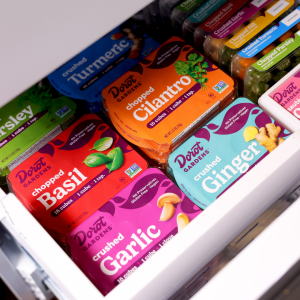
Frozen dill cubes (like Dorot Gardens) stay freezer-ready, offering fresh dill flavor without spoilage worries.