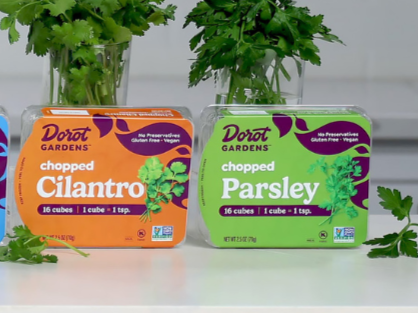
If you’ve ever grabbed a bunch of parsley only to realize you picked up cilantro, you’re not alone. These bright green herbs look similar but can bring very different flavors to a dish.
Knowing the difference between cilantro and parsley helps you choose the right herb for salads, salsas, stews, and more. It also opens the door to delicious convenience options like Dorot Gardens’ flash-frozen herb cubes.
This article breaks down the differences in appearance, flavor, nutrition and uses, explains whether they’re truly the same plant, and shows how Dorot Gardens can make cooking with these herbs simple.
What Are Cilantro and Parsley?
Parsley and cilantro are both members of the carrot family, but they’re different plants.
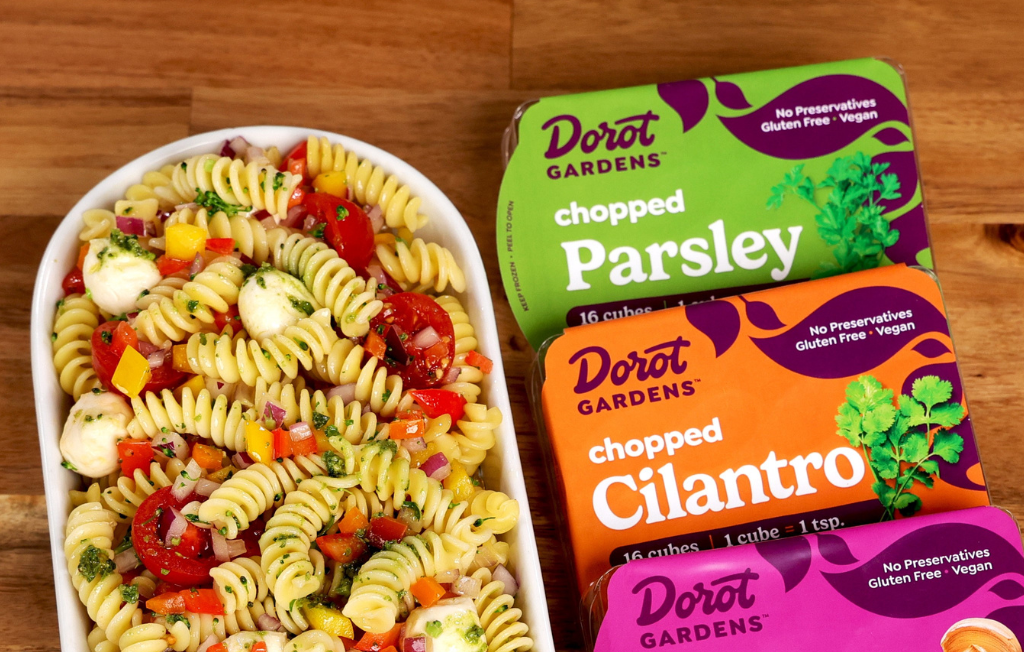
arsley (Petroselinum crispum) is a tender herb originating in the eastern Mediterranean. Common varieties include flat-leaf (Italian) and curly parsley, and there’s even a root or Hamburg type that looks like a parsnip.
Cilantro (Coriandrum sativum), often called coriander outside North America, is native to southern Europe and Asia and is grown for both its leaves and seeds. In the United States the leaves and stalks are marketed as cilantro or Chinese parsley, while the seeds are dried and sold as the spice coriander.
Are Cilantro and Parsley the Same?
Our answer is no. Although cilantro and parsley are related and share a similar silhouette, they are not the same herb. In fact, are cilantro and parsley the same is a common question because both plants have bright green leaves and slender stems.

Parsley leaves have pointed, jagged tips (especially flat-leaf parsley). Curly parsley has ruffled leaves that curl inward. Cilantro leaves are rounder and more scalloped, with a paler gray-green hue. The stems differ too: parsley stems are thicker and can withstand heat, whereas cilantro stems are delicate.
The confusion extends beyond appearance. Many cooks have substituted one for the other by mistake. But even though they’re visually similar, the difference between cilantro and parsley becomes clear when you taste or smell them. Parsley’s aroma is clean and grassy with mild peppery notes. Cilantro’s scent is described as earthy, citrusy and pungent – so strong that some people taste soap due to a genetic sensitivity to aldehydes. This bold aroma means the two herbs rarely serve the same purpose in a recipe, and swapping them will noticeably change your dish.
Flavor and Culinary Uses
The cilantro vs parsley comparison is perhaps most striking in flavor. Parsley has a simple peppery flavor with hints of bright grass and a touch of bitterness, and most people find it pleasant. It adds freshness and balance to many European, Middle Eastern and American dishes.
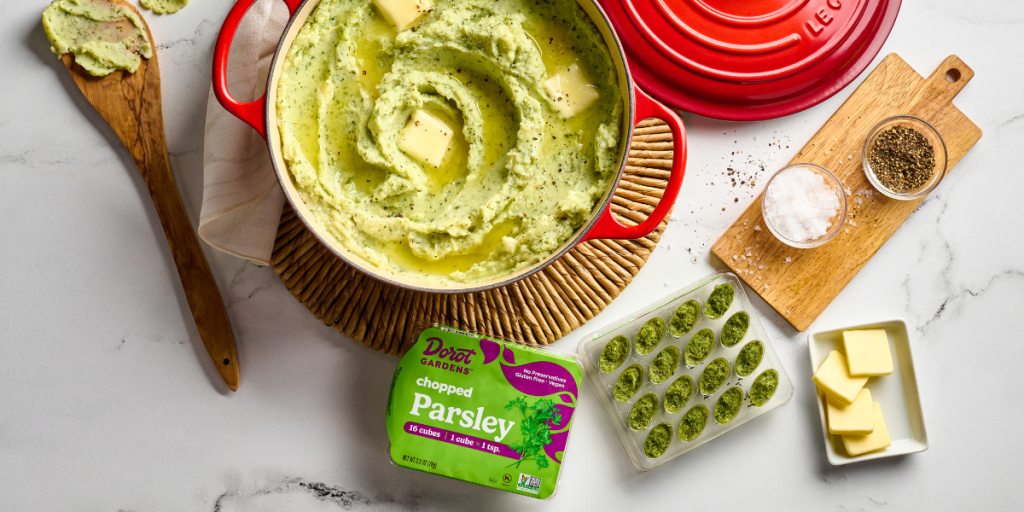
Because parsley’s stems and leaves are sturdy, it can withstand some cooking; you can add it to sauces and stews near the end of cooking to preserve its flavor, and it can also be dried for longer storage.
Cilantro’s flavor polarizes eaters. If you can’t detect the soapy odor, cilantro tastes bright, citrusy and pungent, enhancing Mexican salsas, Thai curry pastes and Indian chutneys. If you have the genetic variation that detects aldehydes, cilantro can taste like soap or dirt. Cilantro’s delicate leaves don’t stand up well to heat; they’re usually added raw or stirred into dishes at the very end to maintain flavor and color.
Can You Substitute One for the Other?
In fresh form, you can substitute parsley for cilantro (or vice versa) when a recipe uses the herb as a garnish. Both herbs add a pop of green color and freshness. However, parsley’s mildly bitter flavor and cilantro’s bright citrus notes are distinct.
If you crave parsley’s grassy, slightly bitter taste, choose parsley. And if you want a citrusy lift, go with cilantro. For anyone who dislikes cilantro’s taste (which is more common than aversions to parsley), parsley is the recommended substitute.
Appearance and Plant Differences
The difference between cilantro and parsley starts with how each plant grows. Cilantro is an annual herb; it thrives in cool weather and bolts quickly when the temperature rises. One gardening article notes that cilantro’s growing season is short because it prefers cool spring or fall weather and will quickly flower and go to seed when it gets hot.
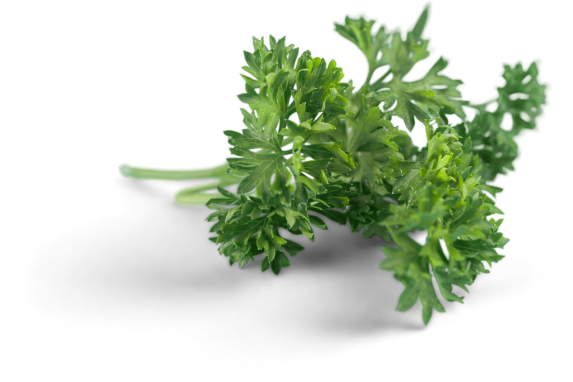
Parsley is biennial – it grows leaves in its first year and produces seeds in its second year, and it’s much more tolerant of varied conditions. Parsley is hardy and can even survive in colder weather with some protection.
Their seeds also germinate differently. Cilantro seeds (actually two seeds fused together) germinate easily, while parsley seeds take longer and benefit from soaking before sowing. In the garden, cilantro stems are thin, flexible and hollow, whereas parsley stems are sturdier and triangular. These botanical distinctions answer the question of whether cilantro and parsley are not the same.
Nutrition and Health Benefits
Both herbs are nutrient-dense and low in calories, but they shine in different ways.
Parsley is rich in vitamins A, K and C, and contains folate, potassium, calcium and magnesium. It also delivers antioxidants and has been shown to help reduce inflammation and support immunity. Cilantro provides flavonoid antioxidants, vitamin A, vitamin K, folate and potassium.
Some studies suggest cilantro may support normal blood sugar levels and help the body process certain heavy metals. Both herbs are healthful, but their nutrient profiles differ enough that you might choose one over the other depending on your dietary needs. For example, if you need a vitamin K boost, parsley is a potent source.
Storing and Keeping Fresh Herbs
Keeping tender herbs fresh requires careful storage. To prolong the life of fresh parsley and cilantro, some guides recommend trimming the ends of the stems and placing the bunches in a jar of water, then loosely covering with a plastic bag and refrigerating.
Cilantro and parsley can also be wrapped in a damp paper towel and stored in the refrigerator. Despite these methods, the shelf life is still limited; parsley may last about a week, while cilantro wilts quickly and loses its bright color and flavor.
How to Keep Chopped Cilantro and Parsley Fresh
Chopping any herb speeds up oxidation and flavor loss. After chopping cilantro or parsley, the herbs start to degrade even faster and should be used immediately or stored in airtight containers with a bit of moisture. When a recipe calls for fresh chopped cilantro or other herbs, prepping just the amount you need can help reduce waste.
But if you’re short on time or worry about waste, there’s an easier way to enjoy fresh-herb flavor – without spending extra minutes chopping and storing.
Convenient Cilantro and Parsley Cubes by Dorot Gardens
Instead of stressing about how to store chopped herbs or wondering if “cilantro and parsley are the same” when you’re at the grocery store, you can keep both flavors at the ready with Dorot Gardens frozen herb cubes.
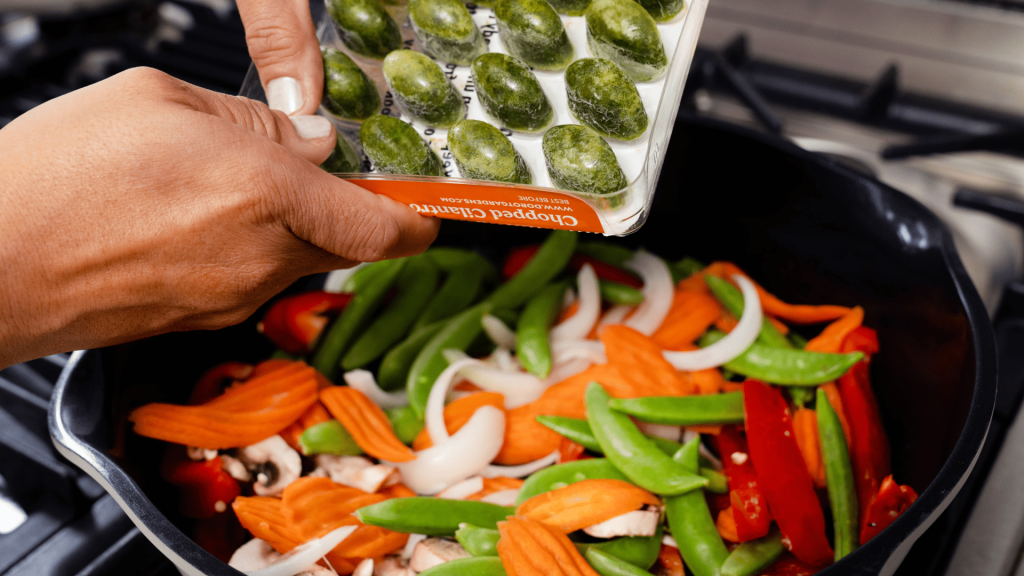
Dorot Gardens takes fresh herbs grown in peak season, washes, chops and flash-freezes them quickly after harvest. Each herb is portioned into a handy tray of cubes; for parsley and cilantro, each cube equals about one teaspoon of freshly chopped herb.
Why Choose Dorot Gardens Cilantro and Parsley
- Fresh flavor all year – Dorot Gardens cilantro and parsley cubes capture the herbs at their best. Flash-freezing locks in aroma and nutrients, so when you drop a cube into your dish, it melts into the sauce, soup or sauté just like fresh herbs. Because the cubes live in your freezer, you can enjoy cilantro’s citrusy pop or parsley’s grassy brightness any time, regardless of season or grocery availability.
- No prep or waste – Using Dorot Gardens eliminates chopping and cleaning. You simply pop out a cube and add it to your recipe. Since each cube is portioned, you avoid buying a big bunch of herbs that end up wilting. The cubes stay usable for months in your freezer, reducing food waste and ensuring you always have herbs when you need them.
- Consistent seasoning – It’s easy to measure: one cube equals one teaspoon of herb. You know exactly how much parsley or cilantro you’re adding, which makes following recipes or experimenting with flavors easier. If a dish calls for two tablespoons of chopped parsley, you know to use six cubes.
- Versatile uses – Dorot Gardens cilantro and parsley cubes can be used wherever you’d use fresh herbs. Melt a cube into olive oil before sautéing vegetables, stir one into soup near the end of cooking, thaw a few cubes for salad dressings or sauces, or even drop a cube into a smoothie or green juice for a burst of fresh herbal flavor. Because Dorot Gardens herbs are portioned and flash-frozen at peak freshness, they’re perfect for busy cooks who want reliable results without the hassle.
When you shop for fresh herbs, you often end up with more than you need and have to rush to use them before they spoil. Dorot Gardens solves this problem by giving you quality herbs in a compact, ready-to-use format.
| You can find Dorot Gardens products in the frozen vegetable aisle at many grocery stores. Use the store locator on the Dorot Gardens website to find a retailer near you. |