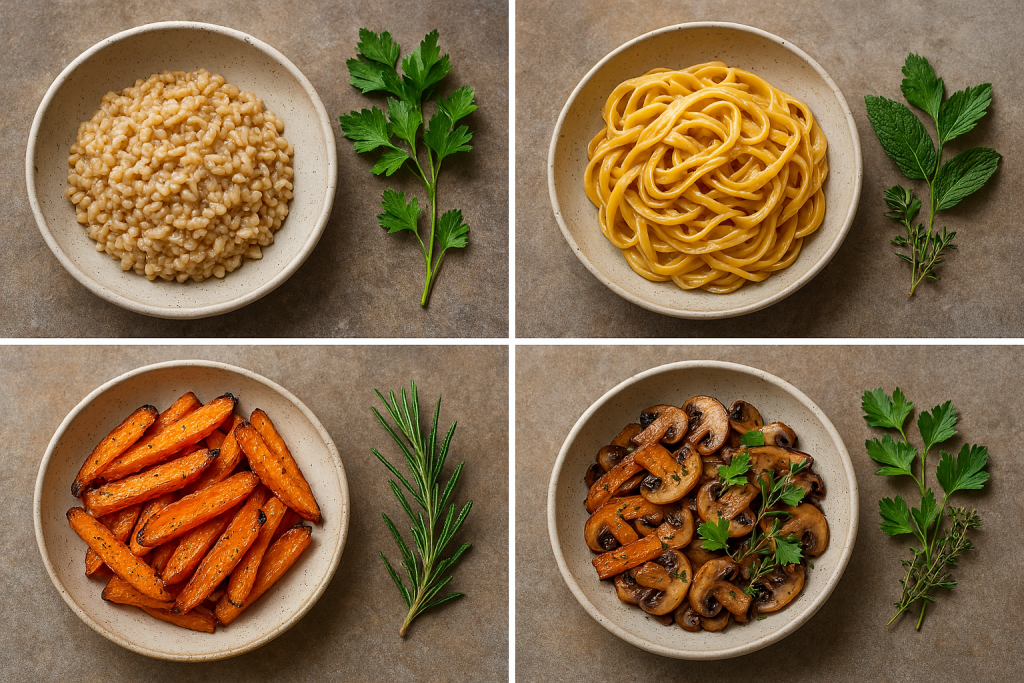
If you’ve ever tasted a dish and thought, “It’s good, but it’s missing something,” the answer is often flavorful herbs. They’re the quickest way to turn simple ingredients into something bright, cozy, fresh, or bold without relying on heavier seasoning or a long ingredient list.
In this guide, we’ll break down how herbs affect flavor in real-life cooking, plus easy ways to choose, pair, and add them to your food.
What Makes Herbs Taste So Different?
Herbs don’t just add a green hue to your dishes. They also bring aroma, contrast, and personality. That’s because many herbs contain natural oils that release their scent and taste when you chop, crush, or warm them. The result: food that smells amazing and tastes more layered.
Here’s a quick way to think about it:
- Bright herbs lift a dish (great when food tastes heavy or flat)
- Earthy herbs deepen a dish (perfect for soups, roasts, and sauces)
- Peppery herbs add bite (ideal for salads, eggs, and creamy dishes)
Once you know what role the herb is playing, choosing the right one gets a whole lot easier.
Key Flavor Profiles: Which Herbs Give You What?
Fresh and bright (clean, citrusy, wake-up flavor)
These herbs are your go-to when a dish needs freshness:
- Cilantro: zesty and punchy; great with tacos, rice bowls, salsas, and citrusy dressings
- Mint: cool and refreshing; works in salads, yoghurt sauces, fruit, and drinks
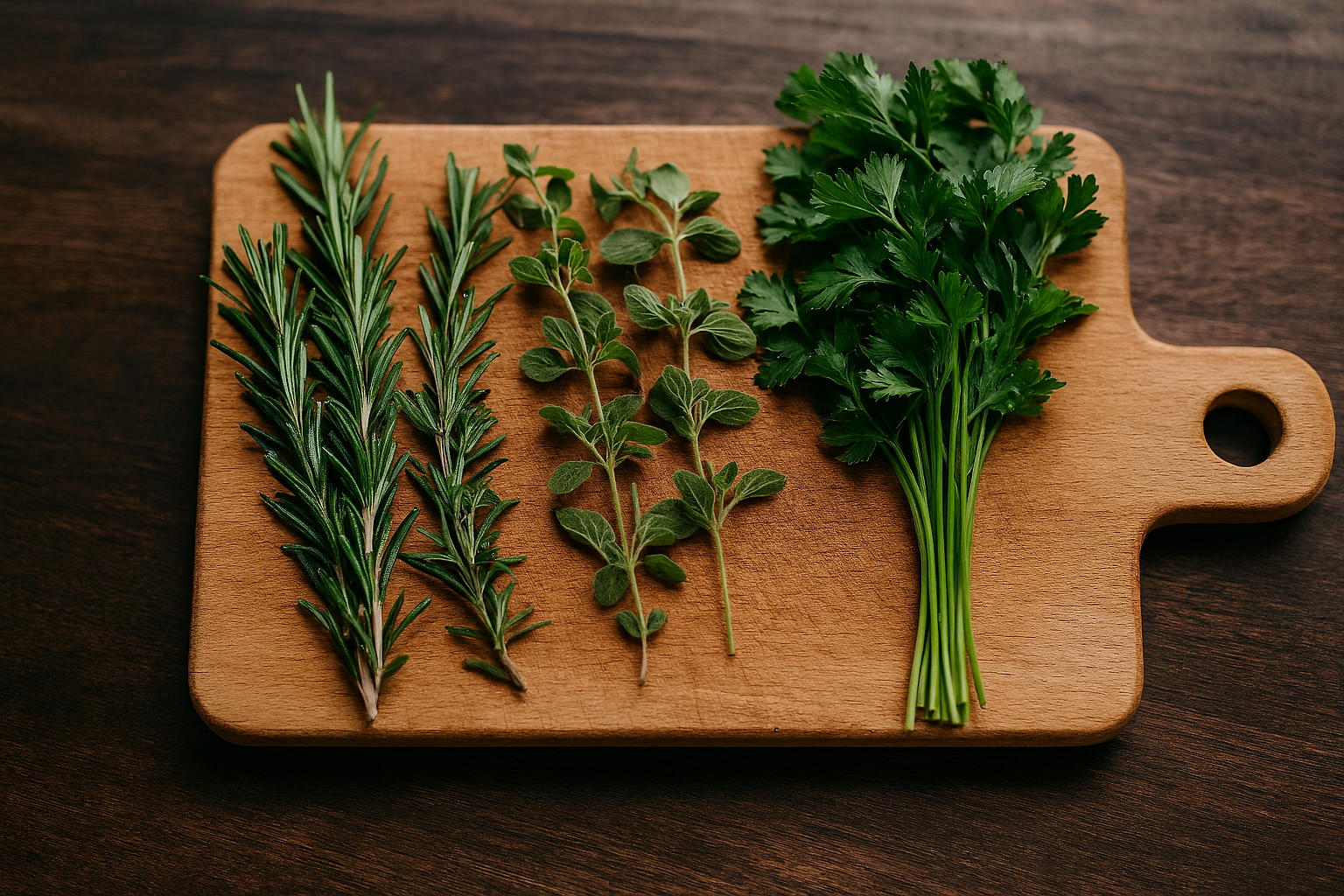
- Parsley: clean and light; finishes everything from pasta to roasted vegetables
If you’re cooking something rich (like a creamy sauce or roasted meat), these flavorful herbs add balance so the dish doesn’t feel too heavy.
Earthy and savory (warm, cozy, slow-cooked flavor)
These herbs bring comfort and depth:
- Rosemary: bold and piney; perfect for potatoes, chicken, lamb, and roasted veg
- Thyme: subtle and earthy; great in soups, stews, and pan sauces
- Oregano: warm and slightly bitter; classic in tomato sauces and marinades
These are best when you want that slow-cooked flavor profile, even if you haven’t.
Peppery and sharp (bite, snap, and contrast)
- Chives: mild onion bite; great with eggs, potatoes, dips, and fish
- Dill: fresh and tangy; ideal for salmon, pickles, cucumber salads, and yoghurt sauces
How Herbs Affect Your Dish’s Flavor
One key detail in cooking with herbs is timing. The exact moment you add them can shape the flavor just as much as the type you use.
Add hardy herbs early for deep flavor
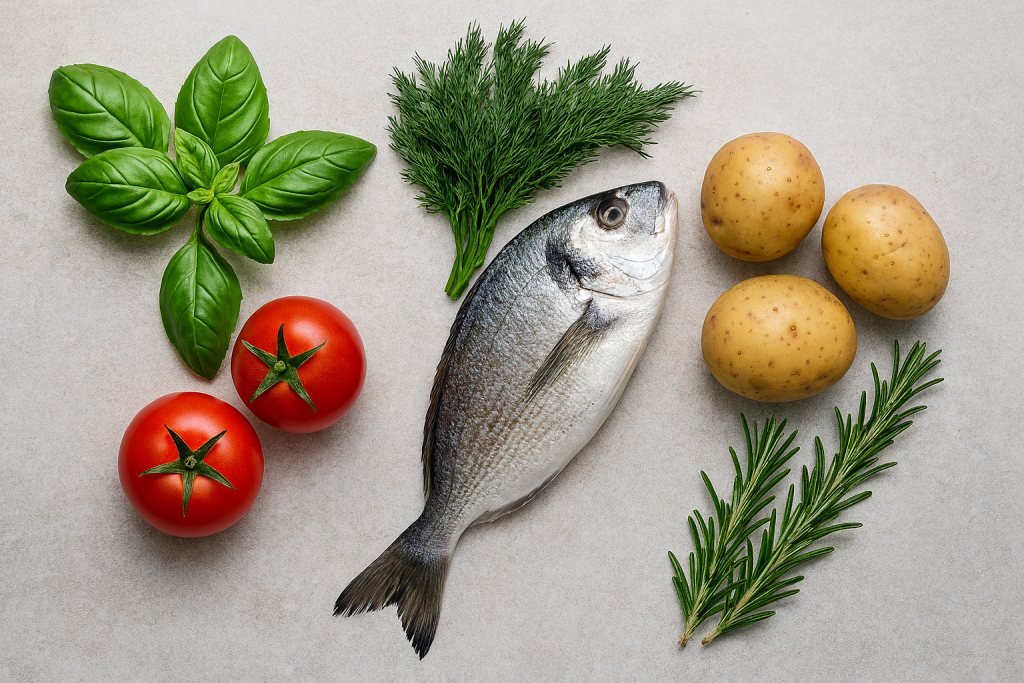
Hardy herbs (like rosemary, thyme, oregano) can handle heat and time. Add them early so they infuse the dish while it cooks, especially in soups, stews, braises, and sauces.
Add delicate herbs towards the end for fresh flavor
Delicate herbs (like basil, cilantro, parsley, dill, chives) lose their punch if they simmer too long. Stir them in at the end or sprinkle them on top right before serving.
That simple timing tweak is one of the easiest ways to get more from flavorful herbs without doing anything fancy.
A Practical Pairing Guide So You’re Not Guessing
Pairing doesn’t need to be complicated. Start with the main ingredient, then choose herbs that match the vibe.
Tomatoes, pasta, and Mediterranean dishes
- Basil + parsley
- Oregano + thyme
- Chives as a finishing touch on creamy sauces
Chicken, turkey, and roasted vegetables
- Rosemary + thyme for cozy, roast-y flavor
- Parsley at the end for freshness
Fish and seafood
- Dill + chives
- Parsley + lemon
These combos keep things light and clean.
Eggs, potatoes, and creamy dishes
- Chives + parsley
- Dill in yogurt or sour cream sauces
This is where herb flavors can really shine because creamy foods love a fresh, sharp contrast.
Desserts and drinks
- Mint with fruit, chocolate, or citrus
- A tiny bit of rosemary in simple syrup for a grown-up twist
Fresh vs. Dried Herbs: What to Use and When
Fresh herbs taste brighter. Dried herbs taste deeper and more concentrated. Both are useful; you just use them differently.
Quick rule of thumb
- Use dried herbs for long cooking (soups, stews, sauces).
- Use fresh herbs for finishing (salads, toppings, quick sauces).
Easy swap
If a recipe calls for fresh and you only have dried, use less. Dried herbs are stronger, so a smaller amount usually does the trick.
And if you want the convenience of having herbs ready anytime (without worrying they’ll wilt in the fridge), keeping herbs in your freezer can be a game-changer—especially on busy weeknights when you’re trying to get dinner on the table fast.
Make Herbs Easy: Your “Always Ready” Routine
If you love the idea of cooking with herbs but hate the prep (washing, chopping, and hoping they don’t spoil), build a routine that makes herbs effortless.
Here’s a simple approach:
- Keep your “everyday herbs” easy to grab (parsley, basil, cilantro, dill).
- Use hardy herbs (thyme, rosemary, oregano) for roasts, soups, and sauces.
- Add delicate herbs at the end for that fresh finish.
For busy cooks, the goal is simple: keep flavorful herbs within arm’s reach, so you’re more likely to use them.
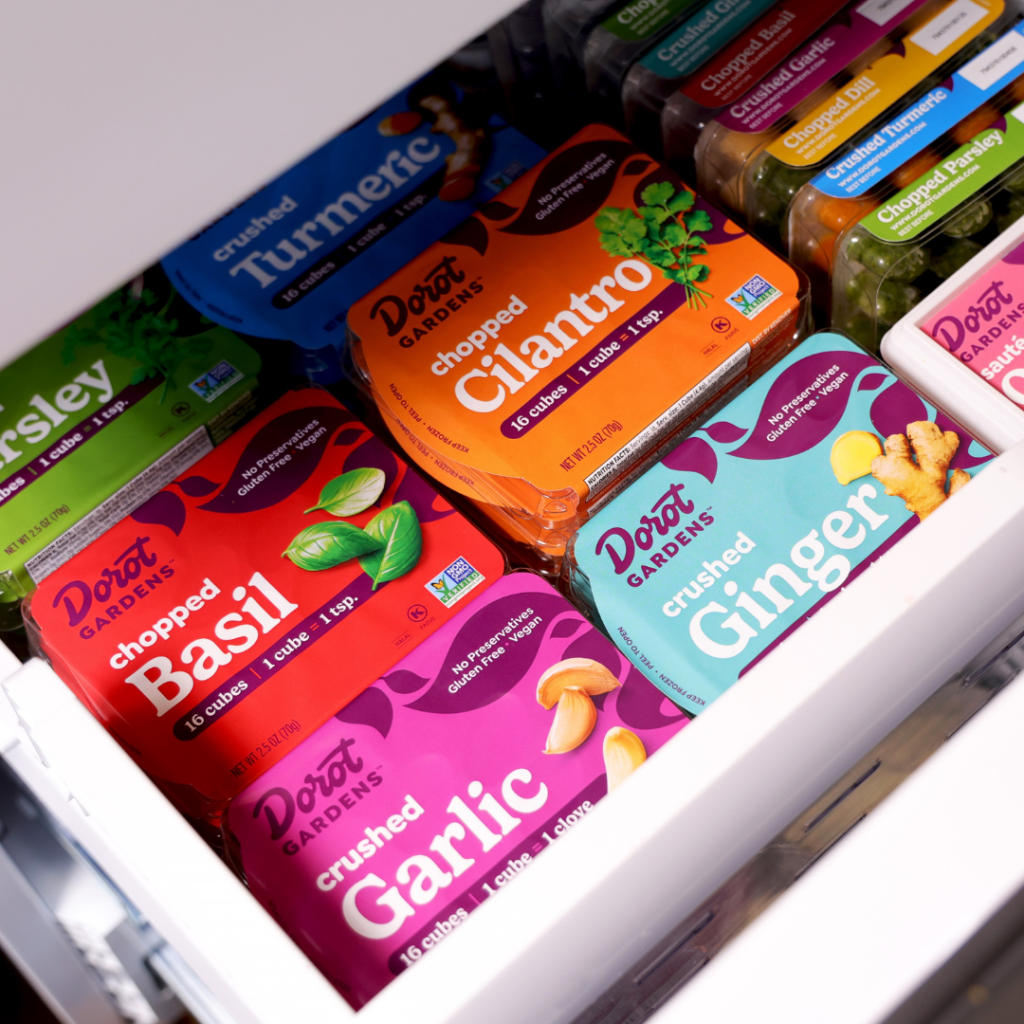
Dorot Gardens offers pre-portioned frozen herbs, garlic, and onions designed for exactly this kind of everyday cooking. They’re quickly frozen to lock in freshness and are ready when you are.
Pop. Drop. Done.® That’s the whole point: less prep, more flavor, and fewer “I’ll cook tomorrow” nights.
A Simple Cheat Sheet for Balanced Herb Flavor
When a dish tastes…
- Flat → add a bright herb at the end (parsley, cilantro, basil)
- Too rich → add something fresh (mint, parsley, dill)
- Too sweet (like roasted carrots or squash) → add thyme or rosemary
- Too “same-note” → mix one hardy herb + one fresh herb (thyme + parsley is a classic)
This is also the easiest way to remember how herbs affect flavor: herbs can either build the base (hardy) or brighten the finish (delicate). Most great dishes use a little of both.
And if you’re trying to learn how herbs affect flavor without overthinking it, start by testing one change at a time: cook your dish as usual, add one herb at the end, and taste what changed.
That’s how you train your palate fast.