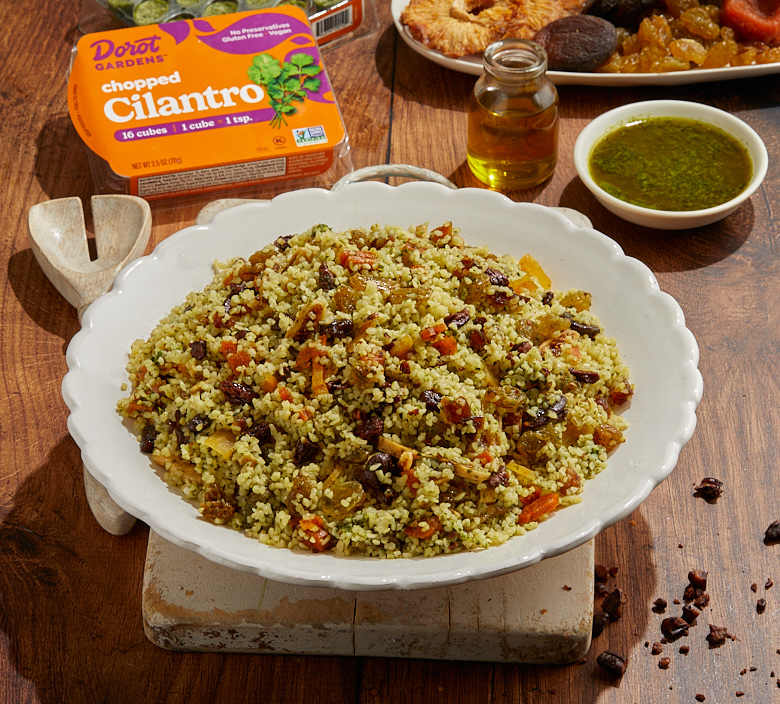
The best fresh ginger substitute is frozen crushed ginger—it delivers real ginger flavor without the peeling, grating, or chopping. That said, ginger paste, ground ginger, galangal, and crystallized ginger can all work as well. The right choice depends on what you’re cooking and whether you need flavor, texture, or both.
Quick Comparison: Fresh Ginger Substitutes
Use this table to quickly find the best ginger substitute for your recipe.
| Substitute | Starting Ratio | Best For | Main Difference |
| Frozen Ginger Cubes | 1 cube for 1 teaspoon fresh ginger | Curries, stir-fries, soups, sauces, drinks, and baking | Does not replace slices or matchsticks |
| Ginger Paste | Use approximately the same amount | Marinades, curries, sauces, soups, and dressings | May contain oil, salt, sugar, or preservatives |
| Ground Ginger | ¼–½ teaspoon for 1 tablespoon fresh ginger | Baking, sauces, soups, and spice blends | Drier, warmer, and more concentrated |
| Galangal | Start with an equal amount | Southeast Asian curries, soups, and savory sauces | More citrusy and peppery |
| Crystallized Ginger | Adjust according to the recipe | Cookies, cakes, muffins, and desserts | Sweeter with a chewy texture |
These are helpful starting points. Because ginger can vary in strength, it’s always best to taste and adjust as you go.
How to Choose the Right Substitute for Ginger
Fresh ginger does more than add flavor—it brings warmth, gentle heat, brightness, and sometimes even moisture or texture.
Before choosing a substitute, consider how ginger functions in your recipe:
- Is it blended into a sauce or marinade?
- Do you need visible slices or matchsticks?
- Is the dish sweet or savory?
- Does the ginger add moisture?
- Is it the main flavor or just one part of a mix?
With that in mind, frozen or ginger paste substitutes usually work best when the recipe calls for grated, minced, or crushed ginger. Ground ginger is better when everything is fully mixed, such as in baked goods or sauces. Galangal suits certain savory dishes, while crystallized ginger is best reserved for sweets.
Top 5 Substitutes for Fresh Ginger
1. Frozen Ginger Cubes
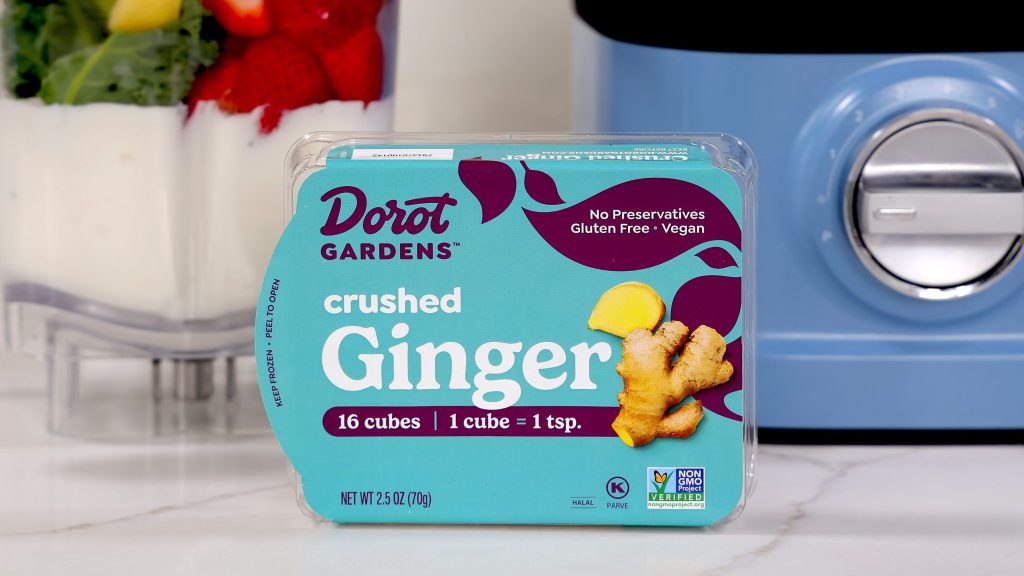
Frozen ginger cubes are about as close as you can get to fresh ginger. Because they’re made from real crushed ginger, they deliver that familiar flavor with no prep required.
They add a warm, slightly citrusy kick, without leaving you with leftover ginger root to store.
Dorot Gardens Crushed Ginger come pre-portioned, so you can use exactly what you need straight from the freezer.
One cube equals about one teaspoon of crushed ginger. If your recipe calls for one tablespoon of fresh ginger, start with three cubes.
There’s no need to thaw—just drop them in.
2. Ginger Paste
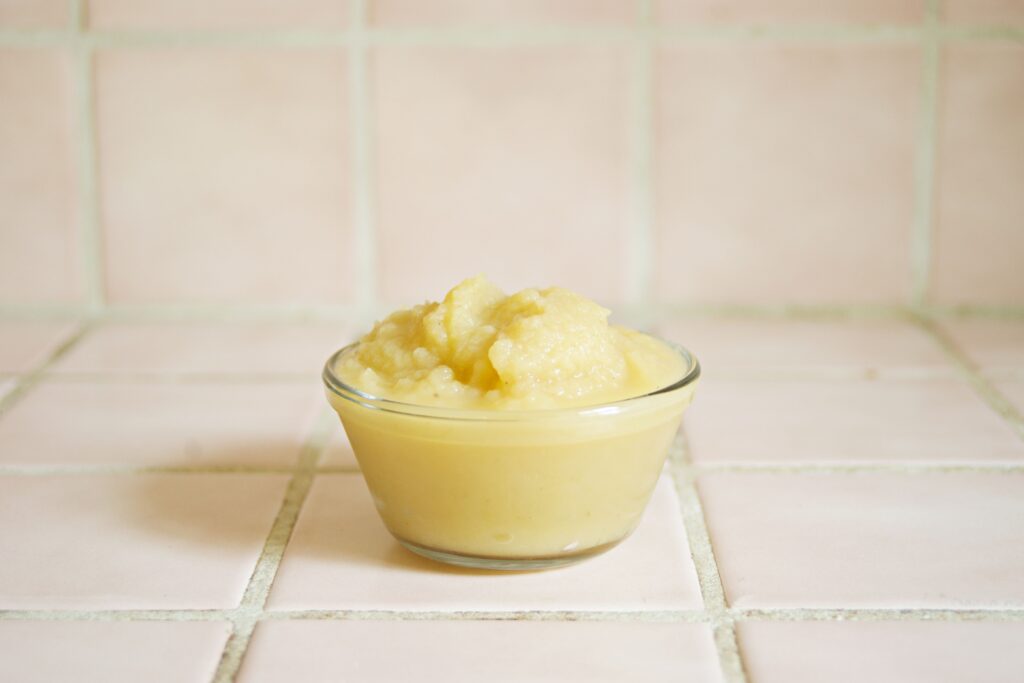
Ginger paste is simply fresh ginger blended into a smooth mixture, making it a good option when the ginger is meant to blend into the dish rather than stand out.
Use roughly the same amount as fresh ginger. For example, if a recipe calls for one tablespoon of grated ginger, start with one tablespoon of ginger paste.
However, keep in mind that store-bought versions often include oil, vinegar, salt, sugar, or preservatives, which can slightly affect the flavor. They may also taste milder, so you might need to add a bit more.
If you don’t have ginger paste on hand, frozen ginger cubes can work here too. Use one cube for about one teaspoon of paste, then adjust to taste.
3. Ground Ginger
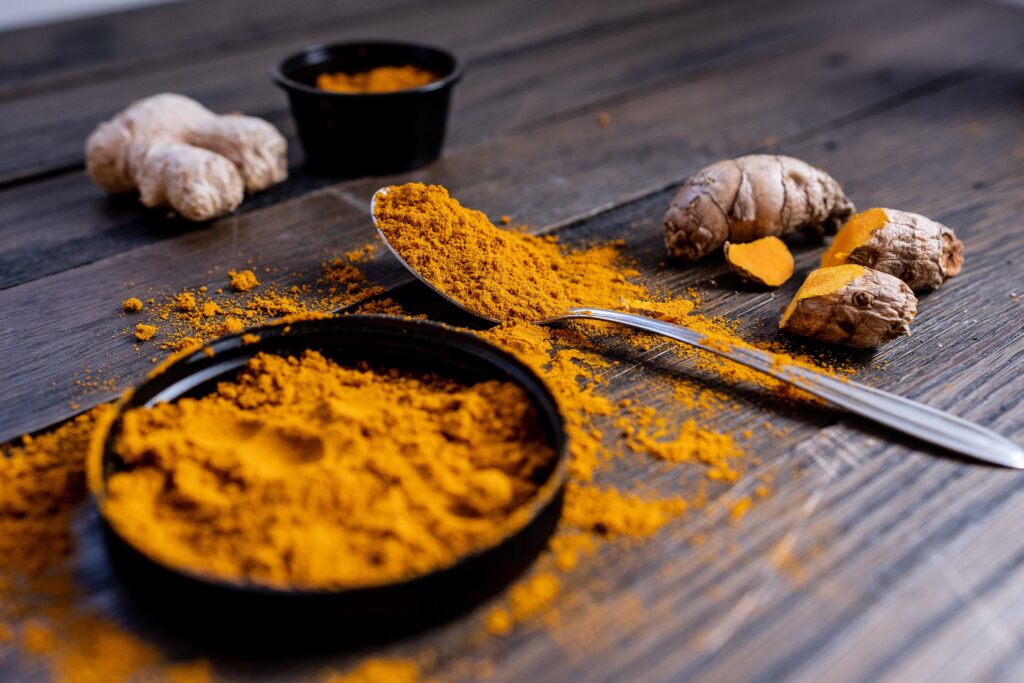
Ground ginger is made from dried ginger root and has a warm, slightly spicy flavor.
While it’s convenient, it’s not quite the same as fresh ginger—it’s less bright and more concentrated.
Start with about ¼ teaspoon of ground ginger for every tablespoon of fresh ginger. If you prefer a stronger flavor, you can increase it up to ½ teaspoon.
This option works best when everything is fully mixed together, such as in baking or sauces. It won’t add moisture or texture the way fresh ginger does, so keep that in mind when choosing it.
4. Galangal
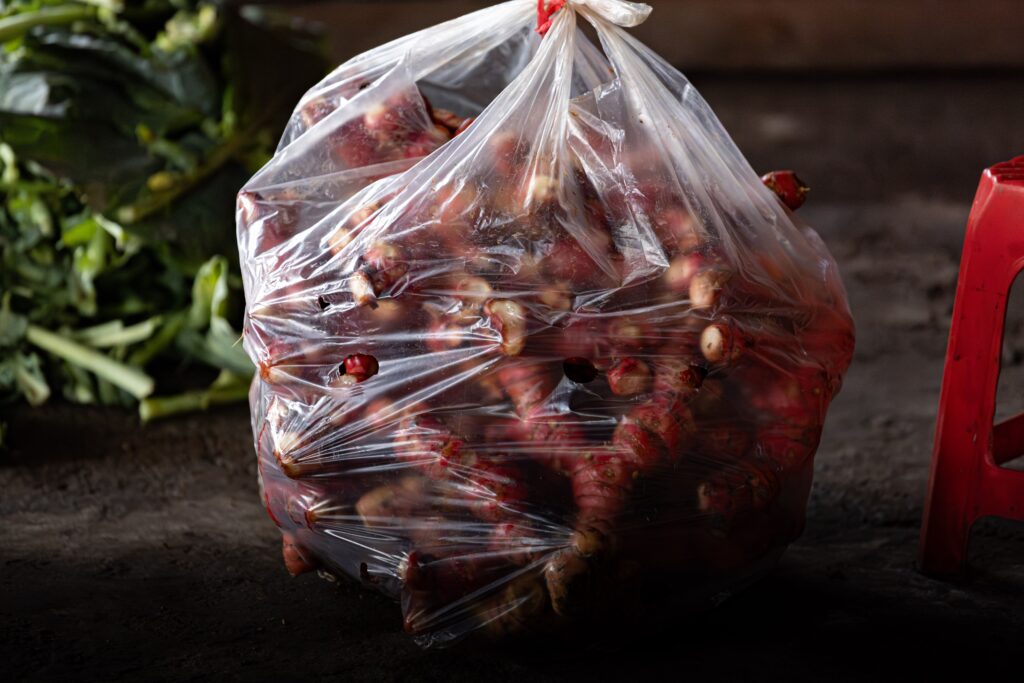
Galangal is closely related to ginger and commonly used in Southeast Asian cooking. It has a firmer texture and a sharper, more citrusy flavor.
Start with the same amount as fresh ginger, then adjust based on taste.
Because galangal is more peppery and citrus-forward, it works best in dishes where that flavor naturally fits. It’s not a good choice for baking or drinks.
It can also be quite tough, so slice it thinly, grate it finely, or remove it before serving.
5. Crystallized Ginger
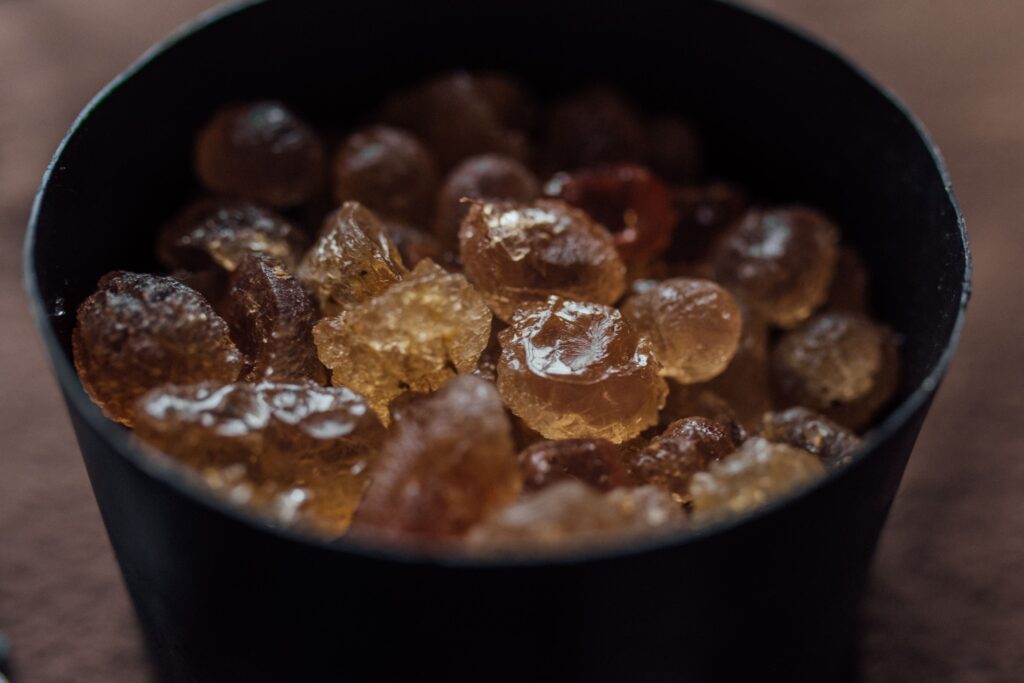
Crystallized ginger (also called candied ginger) is made by cooking ginger in sugar syrup and coating it with sugar.
It still provides real ginger flavor, but it’s sweeter and has a chewy texture.
Chop it finely before adding it to your recipe. Since it adds sweetness, you may want to reduce the sugar slightly elsewhere in the dish.
Because of its sweetness, it’s not a good fit for savory recipes like curries or stir-fries.
Other Ginger Substitutes You Can Use in a Pinch
If none of the main options are available, a few other ingredients can help recreate parts of ginger’s flavor.
For Warmth in Sweet Recipes
Try: cinnamon, allspice, cardamom, nutmeg, and cloves.
These spices add warmth to baked goods and desserts. Start with small amounts, as they can be quite strong.
For Sharp Heat
Try: horseradish and wasabi.
These bring a sharp, intense heat. Use them sparingly and stick to savory dishes.
For Citrusy Freshness
Try: lemongrass, lemon zest, and lime zest.
These add brightness but not warmth. If needed, pair them with a warm spice to balance the flavor.
Frequently Asked Questions
Can flash-frozen ginger replace fresh ginger?
Yes, flash-frozen ginger is one of the best replacements for fresh ginger. Because it’s made from real ginger that’s been crushed and frozen, it delivers nearly the same flavor and aroma. It works especially well in recipes that call for grated, minced, or crushed ginger, such as sauces, soups, and stir-fries. However, it won’t replicate the texture of sliced or julienned ginger.
How much ginger cube equals fresh ginger?
One Dorot’s frozen or crushed ginger cube typically equals about one teaspoon of fresh, crushed ginger. If your recipe calls for one tablespoon of fresh ginger, you can use about three cubes as a starting point, then adjust to taste.
What is the best substitute for ginger?
The best substitute for ginger depends on your recipe, but frozen crushed ginger cubes are often the closest match to fresh ginger in both flavor and convenience. Ginger paste is another strong option for blended dishes, while ground ginger works well in baking. For specific cuisines, galangal may be a better fit, and crystallized ginger is ideal for desserts.
Easy Ways to Cook with Ginger
[recipe_grid]
For more ideas, explore easy recipes using ginger.
Keep Real Ginger Ready in Your Freezer
Ultimately, the best substitute for fresh ginger depends on your recipe. Still, frozen crushed ginger remains one of the easiest and most versatile ways to get real ginger flavor.
Dorot Gardens crushed ginger are peeled, crushed, measured, and frozen—ready whenever you need them.
Use what you need and keep the rest in the freezer.
No peeling. No grating. No waste.
Just Pop. Drop. Done.®
Use the Dorot Gardens store locator to find frozen ginger and other Dorot Gardens products near you.