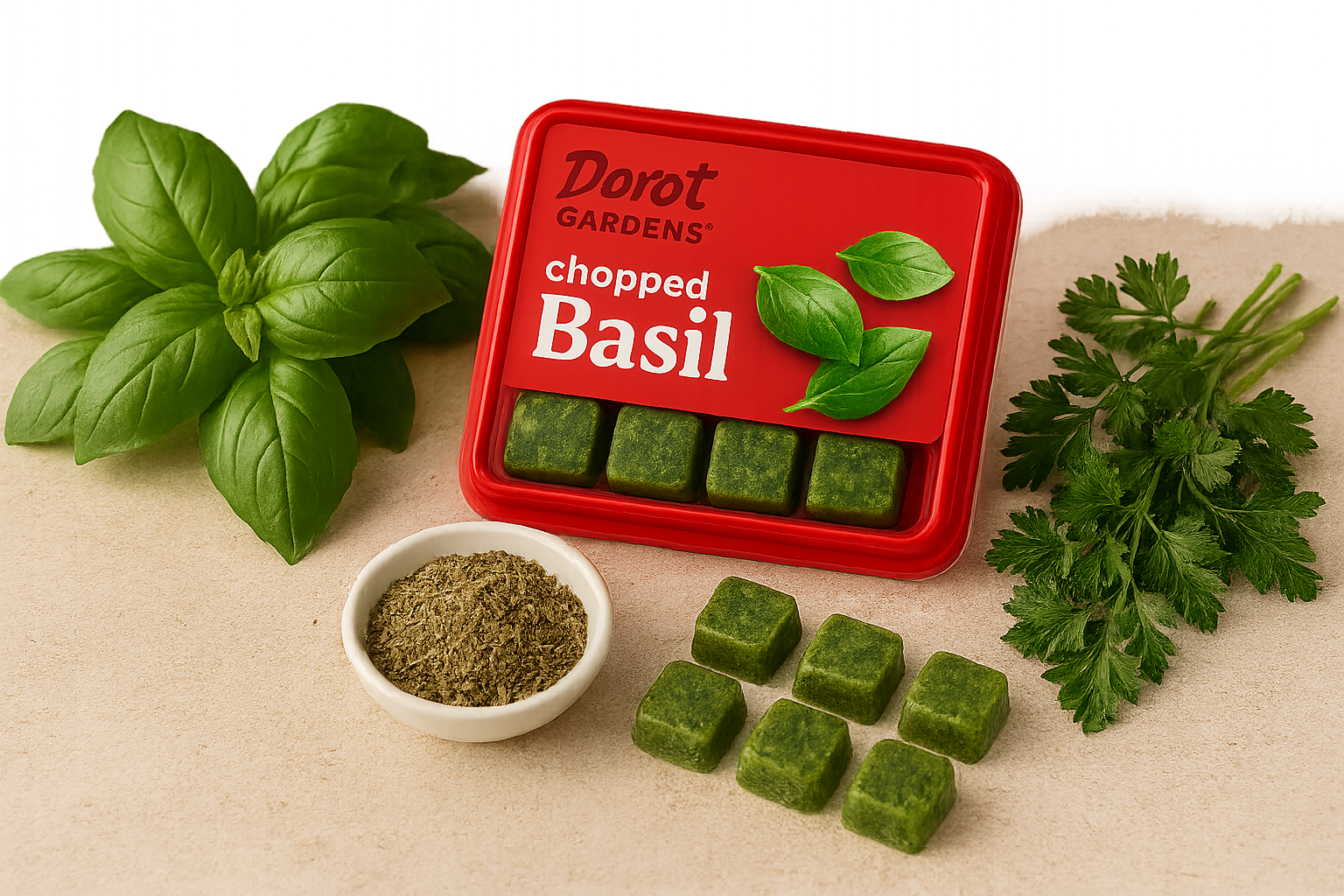
Fresh basil is a staple in Italian and Mediterranean cooking for a reason. Its sweet, aromatic leaves add a lot of flavor, and if you run out or your basil plant has wilted, you do not have to give that up. There are plenty of herbs and blends that can come close to basil’s peppery sweetness or bring a slightly different but still delicious twist to the dish.
In this blog, we’ll look at nine practical substitutes, including convenient options like Dorot frozen herb cubes, for recipes that call for fresh basil.
Best Fresh Basil Substitutes
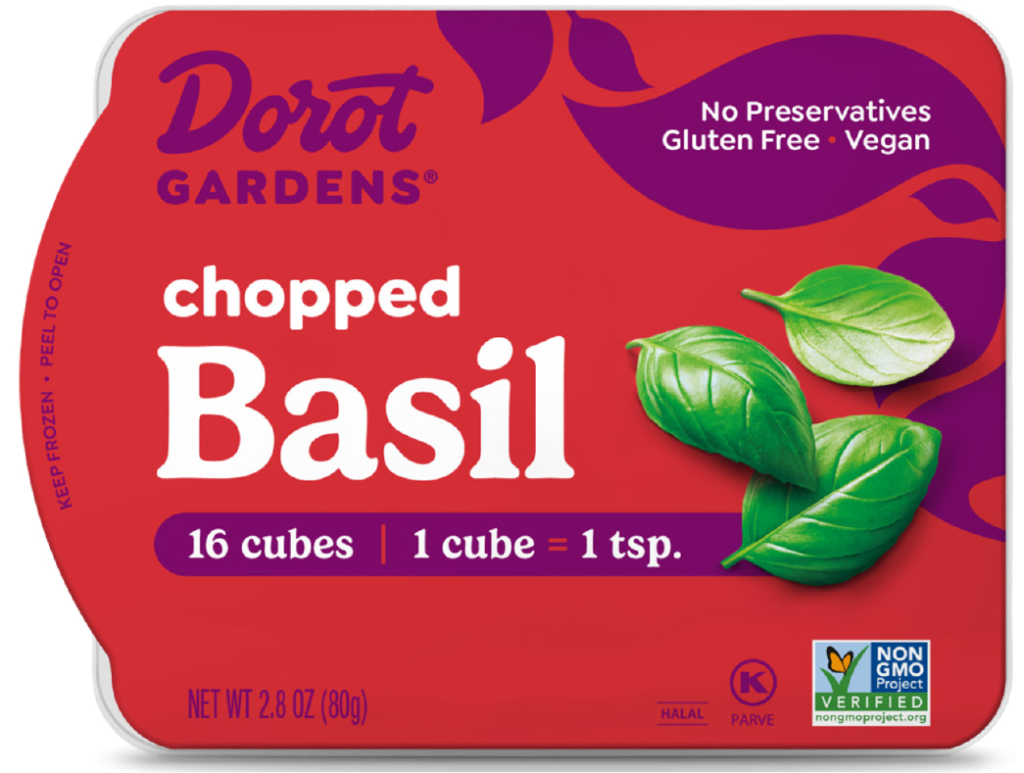
Dorot Gardens Basil Cubes
Dorot frozen basil is the closest substitute when fresh leaves are not on hand. These frozen herb cubes are made from fresh basil and frozen at peak flavor. Just pop a cube into sauces, marinades, or soups. Each cube equals about one teaspoon of fresh basil.
Add the cubes early in cooking so the flavor has time to spread through the dish.
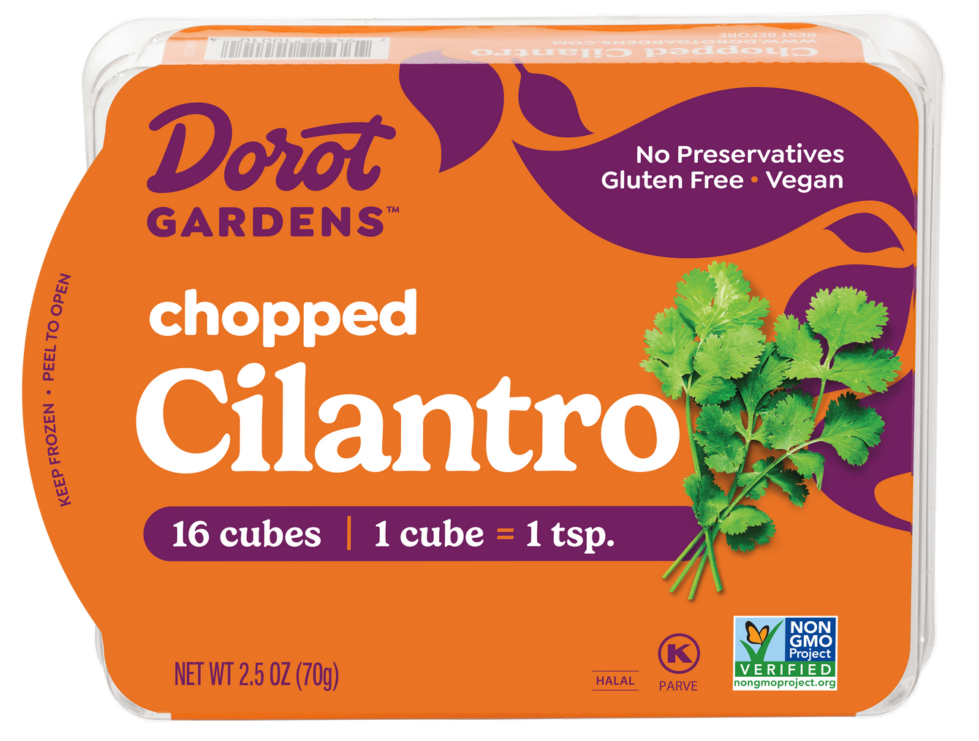
Dorot Gardens Cilantro Cubes
Cilantro is not basil, but its citrusy freshness can brighten dishes in a similar way. Coriander leaves, also called cilantro, have a fresh, slightly citrus taste that works especially well in tomato salads, coconut curries, and fish dishes.
Dorot’s cilantro cubes make that flavor easy to use. Just drop one into salsa, guacamole, or a stir-fry.
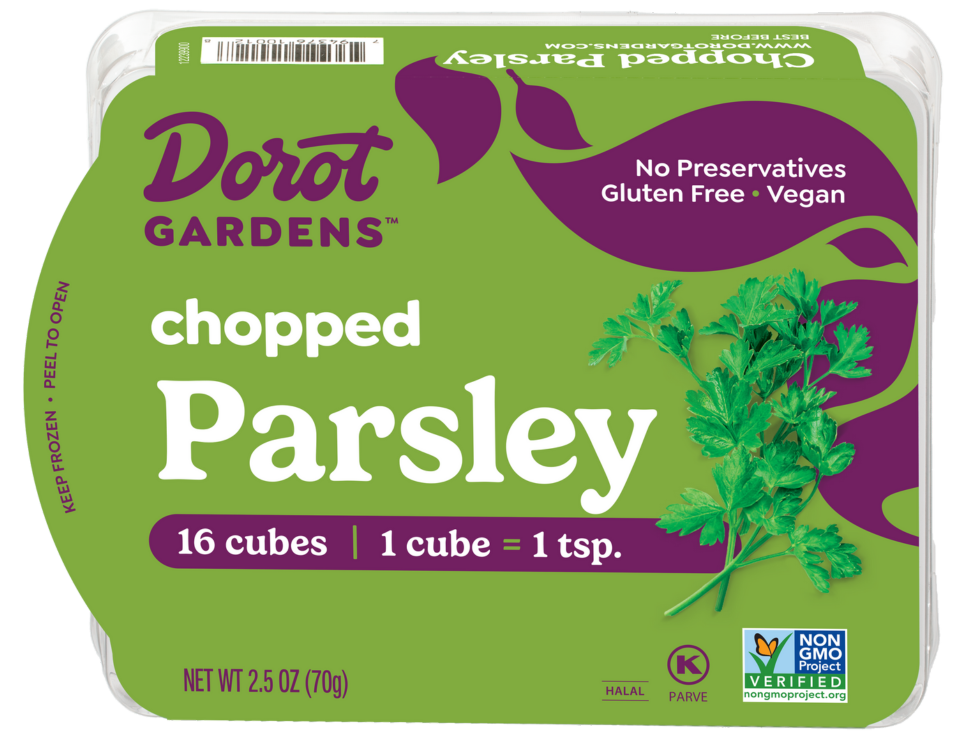
Dorot Gardens Parsley Cubes
Flat-leaf parsley has a mild, grassy flavor with peppery undertones. It is a good option when you want a fresh herb flavor that works well with tomatoes, legumes, and grains.
Dorot’s parsley cubes make it easy to use in Italian sauces, chimichurri, or tabbouleh when basil is not available.
Mint
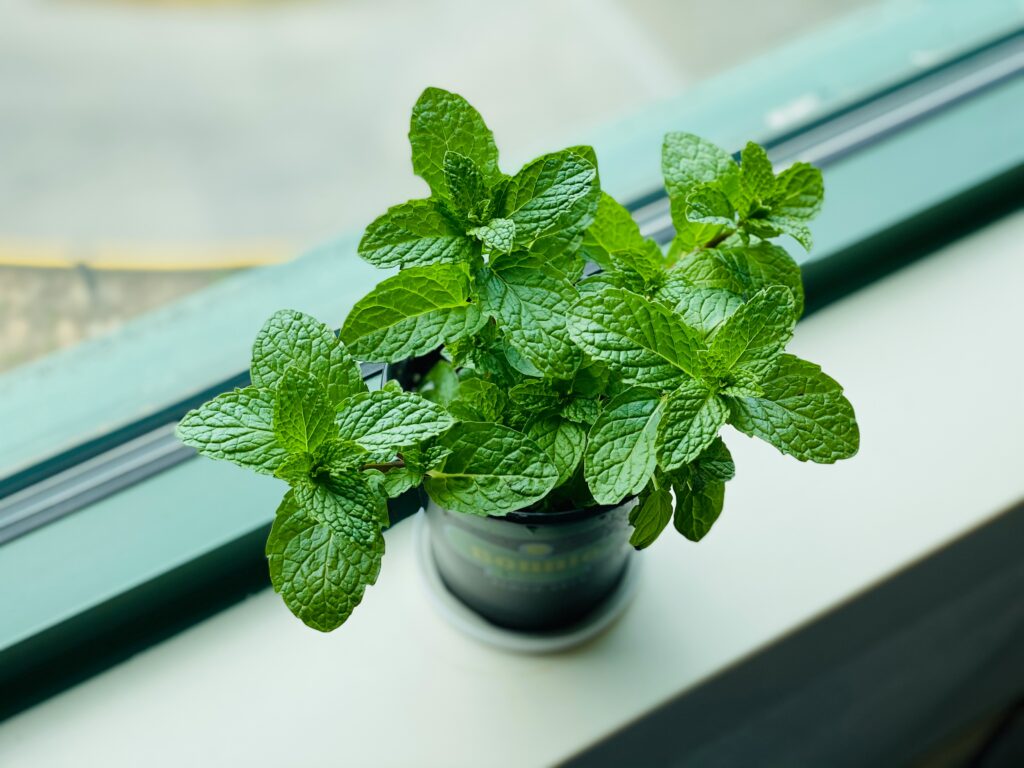
Mint has a sweet, aromatic flavor with a cool finish, which makes it a good substitute for fresh basil in salads, beverages, and desserts. It also works well in lamb dishes and sauces.
Use half the amount when swapping it for basil, since mint can easily overpower other flavors. Pair it with citrus or chili to balance the sweetness.
Oregano
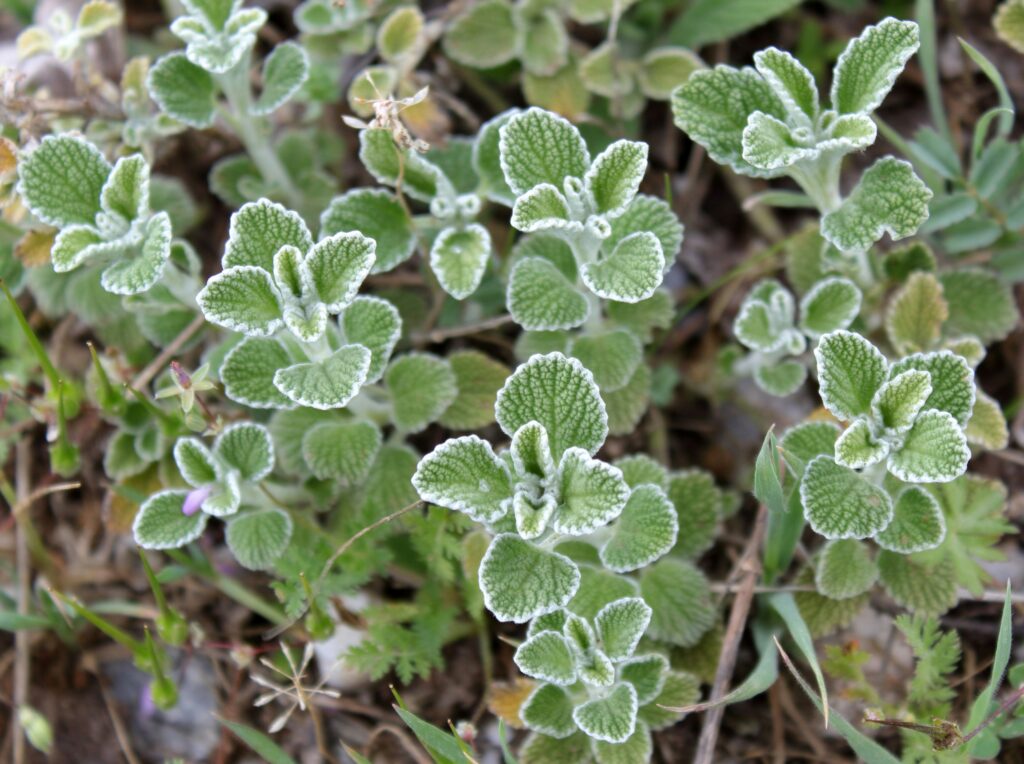
Oregano has an earthy, warm, and slightly bitter taste. It works especially well with roasted vegetables, meat, fish, tomato sauces, and pizza.
Start with half the amount of basil the recipe calls for, then adjust to taste.
Pesto
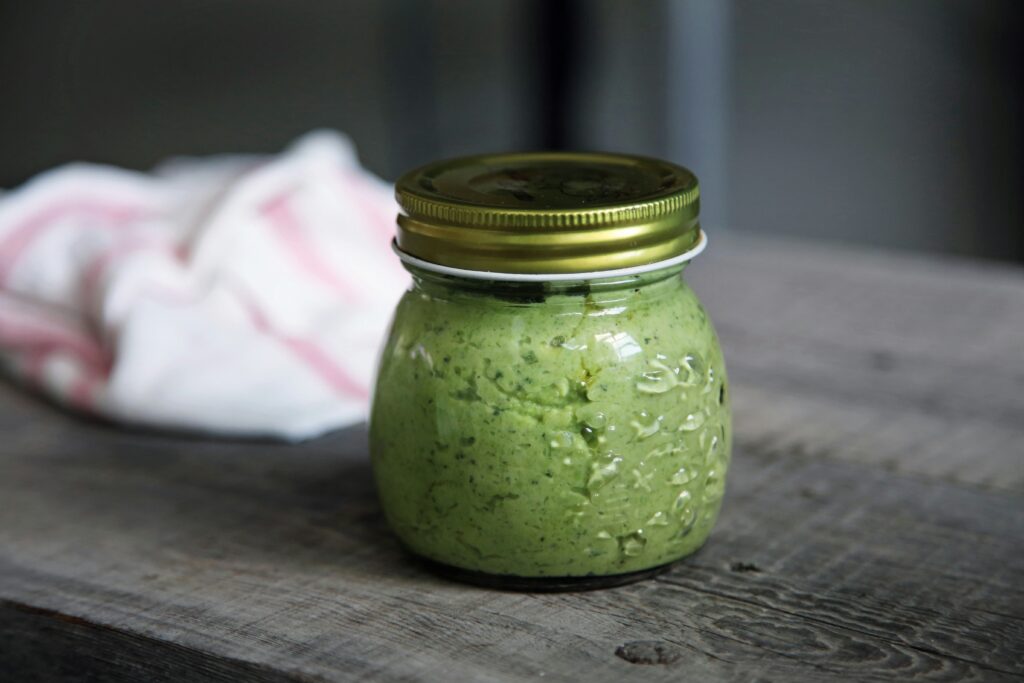
Pesto is a basil-based sauce that can stand in for fresh basil while adding more depth of flavor. It works well in soups, pasta, roasted vegetables, or sandwiches.
A spoonful of pesto adds basil, garlic, and cheese in one step.
Tarragon
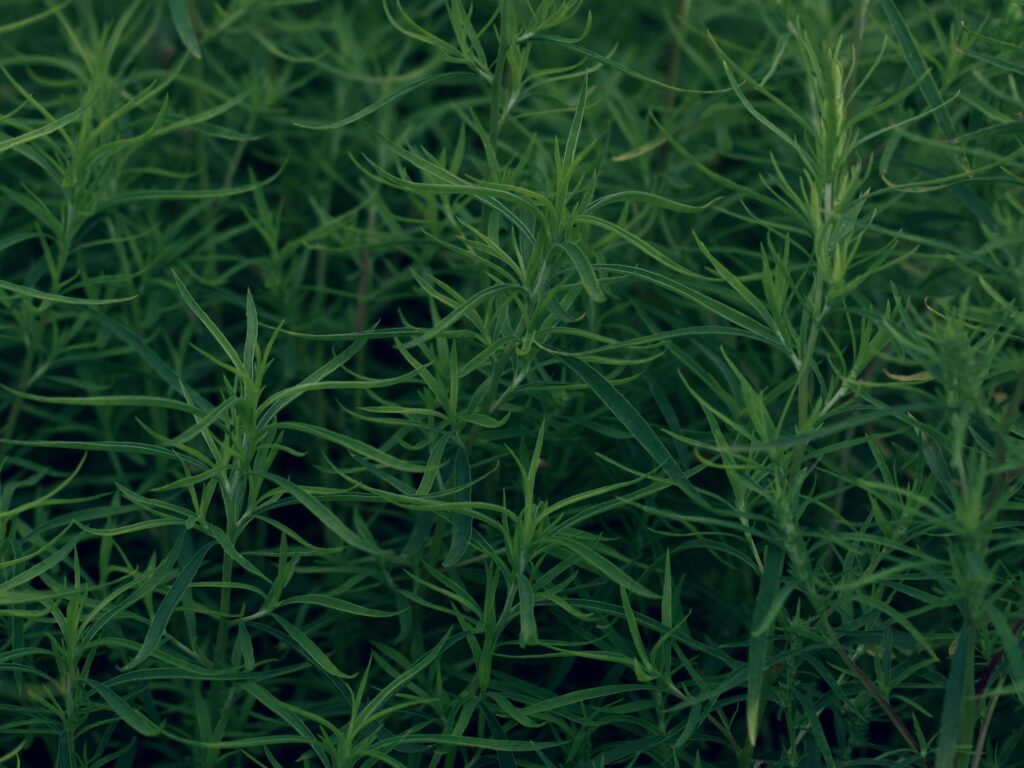
French tarragon has a slightly sweet flavor with notes of anise or licorice. It works well in poultry, fish, egg dishes, vegetables, salads, and tomato-based sauces.
When basil is unavailable, tarragon can bring a similar kind of sweetness. Since it is strong, use about one-third the amount of basil.
Thyme
Thyme has an earthy, slightly minty flavor that pairs well with tomatoes, olive oil, and other Mediterranean ingredients. It works well in slow-cooked stews, roasted meats, or focaccia.
Since thyme is more robust, start with half the amount of basil and add more only if needed.

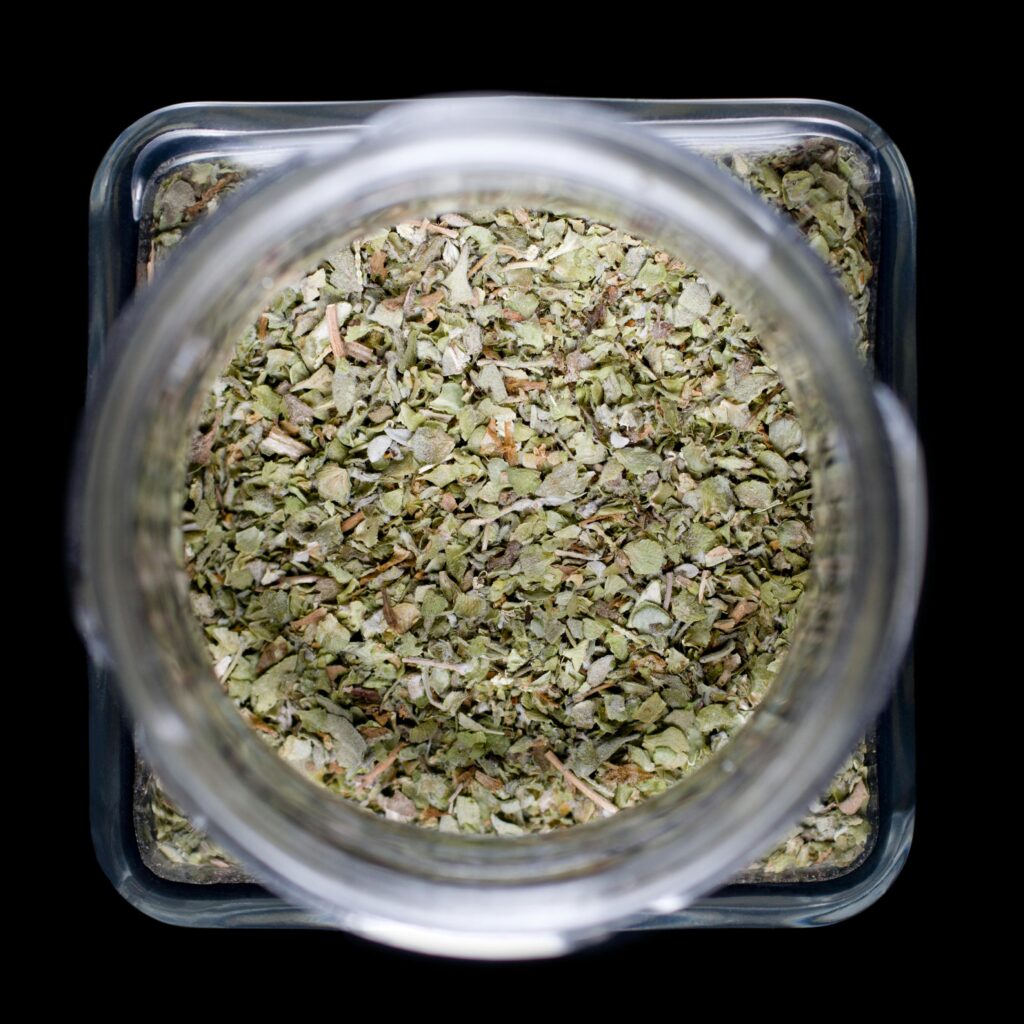
Italian Seasoning
Italian seasoning is a dried herb blend that usually includes basil, oregano, rosemary, thyme, and marjoram. It works well in stews, marinades, roasted vegetables, or meat rubs.
Because it already includes basil and other complementary herbs, you can usually substitute it for fresh basil in equal measure while keeping an eye on salt if the blend includes any.
Bottom Line
Running out of fresh basil does not mean you have to lose flavor. These nine alternatives, from classic herbs like oregano and mint to versatile blends like Italian seasoning, can step in for basil in most recipes. Dorot Gardens frozen herb cubes also make it easy to keep basil, cilantro, and parsley on hand without chopping or waste.
When choosing a fresh basil substitute, think about the flavor profile of your dish and start with a smaller amount. Taste as you go and adjust if needed. Trying different herbs can also lead to combinations you end up liking even more.