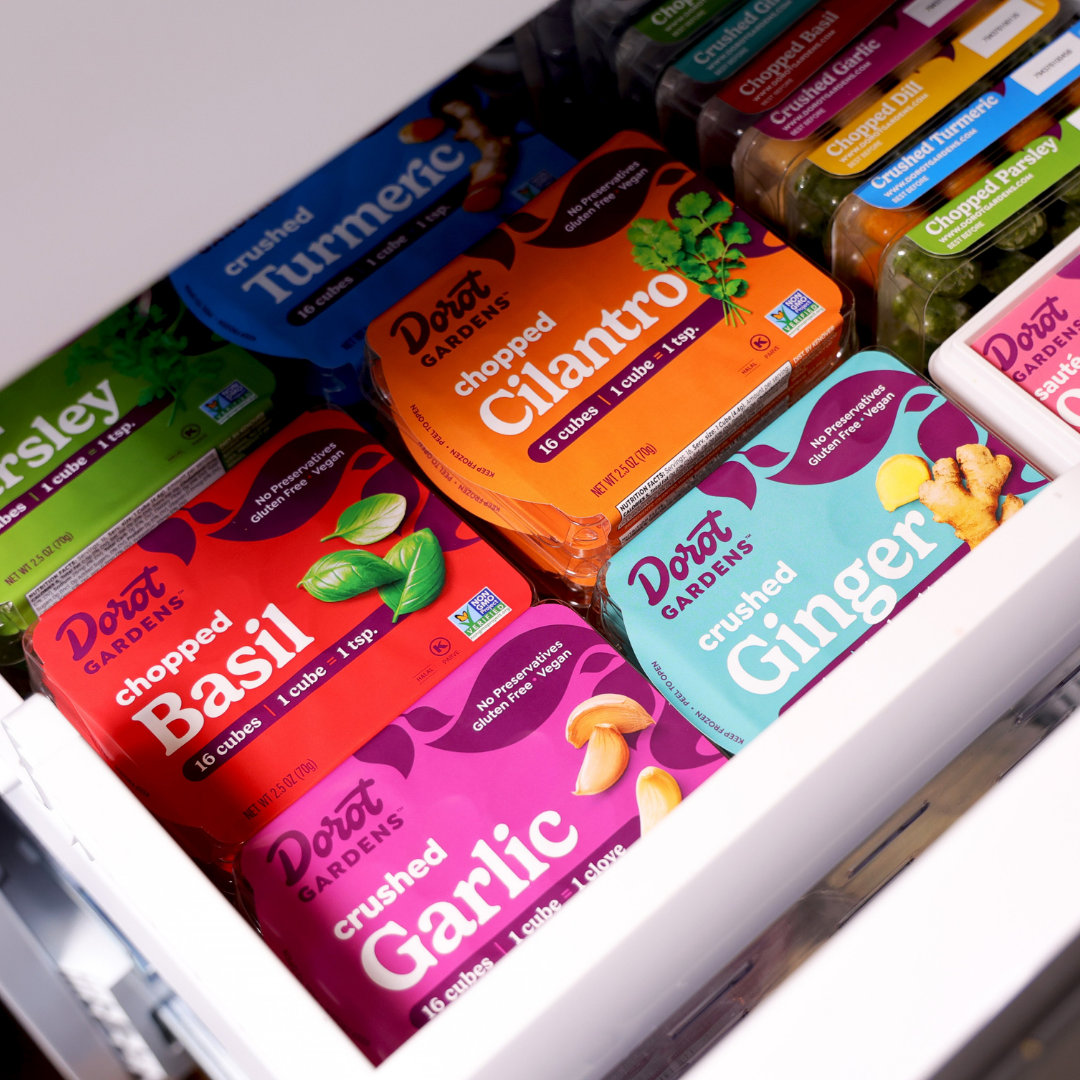
The best dill substitute depends on what you’re trying to replace. If you want to keep dill’s familiar flavor but don’t have fresh dill, frozen or dried dill will usually come closest because they’re the same herb.
If you’d rather use a different herb, fennel fronds, tarragon, parsley, and basil can all work, depending on the recipe. The best choice may come down to whether you want dill’s feathery texture, mild anise-like flavor, or simply a fresh herbal note.
Do You Need Another Form of Dill or a Different Herb?
Start by considering what dill contributes to the recipe.
If fresh dill isn’t available but you want to keep its flavor, another form of dill is usually the easiest choice. Frozen dill works well in cooked dishes, sauces, dressings, and dips, while dried dill is convenient to keep in the pantry.
If you specifically need an herb substitute for dill, a different fresh herb may be a better fit. Just keep in mind that no other herb will taste exactly like dill.
Each option replaces something different:
- Fennel fronds have a similar feathery appearance.
- Tarragon has a noticeable anise-like flavor.
- Parsley adds a mild, fresh herbal flavor.
- Basil works when you want freshness but don’t need an exact dill flavor.
For more options, see our fresh dill substitute guide.
The Best Dill Substitutes
Use this quick guide to choose the best option for your recipe.
| If You Need… | Try… | Works Well In | What Changes |
| Actual dill flavor without fresh dill | Frozen dill | Fish, sauces, dips, dressings, cooked dishes | Softer texture than fresh dill |
| A pantry-friendly option | Dried dill | Soups, sauces, casseroles, dressings | More concentrated, without fresh leafy texture |
| A similar feathery appearance | Fennel fronds | Fish, salads, potatoes, garnishes | Sweeter and more anise-forward |
| A fresh herb with an anise-like note | Tarragon | Fish, chicken, eggs, creamy sauces | Stronger, more licorice-like flavor |
| A mild fresh-herb option | Parsley | Salads, potatoes, fish, soups | Less similar to dill in flavor |
| A different fresh herb flavor | Basil | Dressings, pasta salads, sauces | More floral and less dill-like |
If keeping the original dill flavor is your priority, frozen or dried dill will usually be a closer match than another herb.
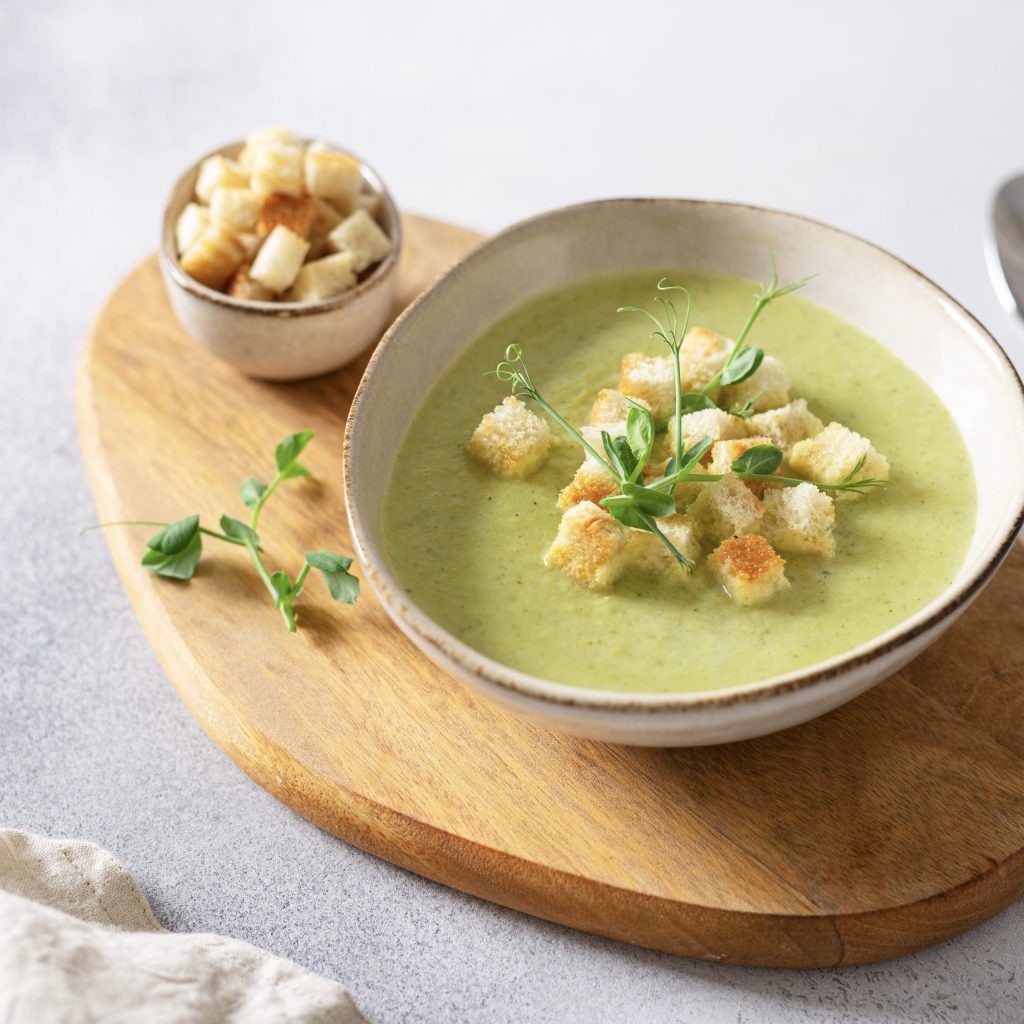
1. Frozen Dill: Closest When Fresh Dill Is Missing
If a recipe calls for fresh dill and you still want real dill flavor, frozen dill is one of the most direct substitutes.
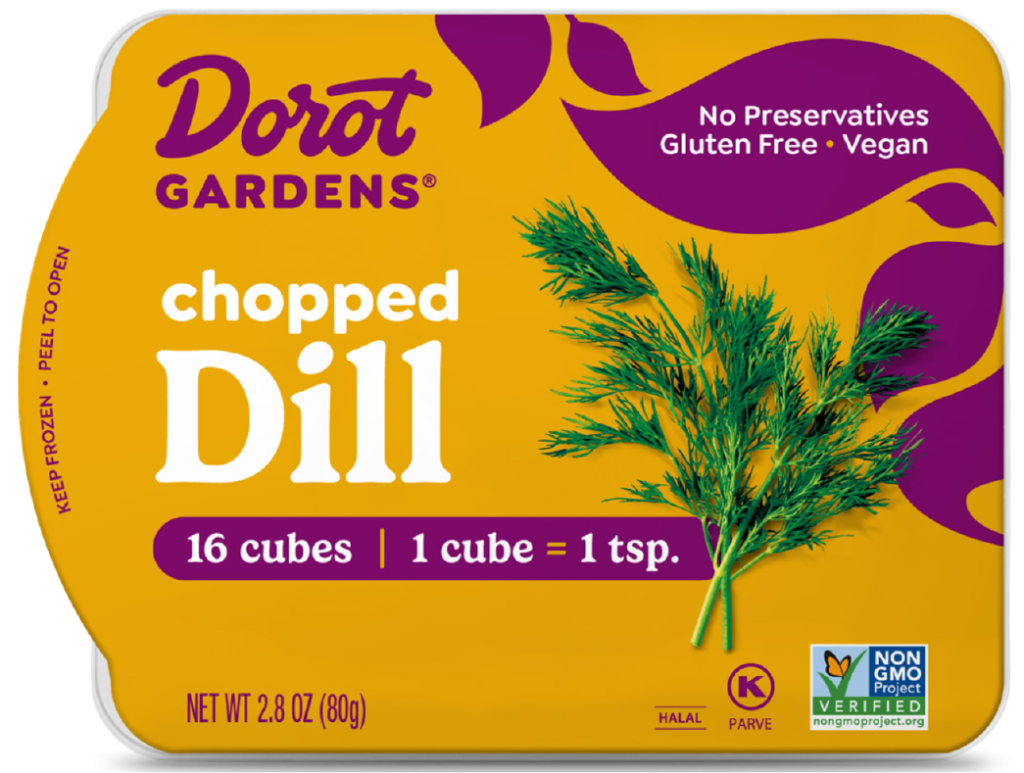
Dorot Gardens Chopped Dill is chopped and frozen in convenient portions, with one cube equal to 1 teaspoon. It’s especially useful in recipes where the dill will be stirred, mixed, or cooked in.
Try it in:
- Fish and seafood dishes
- Soups
- Sauces
- Salad dressings
- Yogurt-based dips
- Egg dishes
- Potatoes
The herb becomes softer after thawing, so it won’t have the same feathery texture as fresh dill sprigs. If you’re using dill mainly as a garnish, fresh dill may still be the better choice.
2. Dried Dill: Best Pantry Option
Dried dill is a convenient choice when you want dill flavor but don’t have fresh dill on hand.
Because drying removes moisture and concentrates the herb’s flavor, you’ll generally need less dried dill than fresh. A good starting point is:
1 teaspoon dried dill for 1 tablespoon fresh dill.
Use that ratio as a guide rather than a hard rule, since the strength of dried herbs can vary depending on the product and how long it has been stored.
Dried dill works particularly well in:
- Soups
- Sauces
- Casseroles
- Potato dishes
- Egg dishes
- Dressings
- Dips
It won’t add the fresh, leafy texture of chopped dill, but it blends easily into cooked dishes and sauces.
For more ways to replace fresh dill, see our guide to other ways to substitute for fresh dill.
3. Fennel Fronds: Best for a Similar Fresh Look
Fennel fronds are a good choice when dill’s appearance and fresh texture matter.
Their thin, feathery leaves look similar to dill, so they work well as a garnish or finishing herb. The flavor is different, though: fennel is sweeter and has a more noticeable anise flavor.
Try fennel fronds with:
- Fish
- Seafood
- Salads
- Potatoes
- Vegetables
- Fresh garnishes
Start with about the same amount you would use for dill, then adjust to taste. Fennel fronds are a good visual substitute, but they won’t provide an exact flavor match.
4. Tarragon: Best When You Want an Anise Note
Tarragon has an anise-like flavor, but it’s stronger and more licorice-forward than dill.
That makes it a useful substitute for dill in recipes where that flavor fits, including:
- Fish
- Seafood
- Chicken
- Egg dishes
- Creamy sauces
- Dressings
Because tarragon can quickly take over a dish, start with less than the amount of dill called for and add more if needed. It’s a better choice when you want a similar flavor note rather than dill’s feathery appearance.
5. Parsley: Best for a Mild Fresh-Herb Swap
Parsley doesn’t taste like dill, but it works well when dill is mainly there to add a fresh, green herbal flavor.
Its mild taste makes it a flexible choice for:
- Salads
- Potatoes
- Fish
- Soups
- Egg dishes
- Vegetable dishes
It’s also a good option if you want a fresh herb without the stronger anise-like flavor of fennel or tarragon.
When it suits the recipe, a little lemon zest or juice can add extra brightness. Add it gradually rather than relying on a fixed parsley-and-lemon substitution ratio.
6. Basil: Best When Exact Dill Flavor Isn’t Essential
Basil isn’t a close flavor match for dill. It’s sweeter and more floral, but it can still work when a recipe simply needs a fresh herbal element.
Consider basil in:
- Pasta salads
- Salad dressings
- Tomato-based dishes
- Sauces
- Vegetable dishes
Basil is less suitable when dill is the main flavor of the recipe. Think of it as a different flavor direction rather than a true imitation of dill.
Dill Weed and Dill Seed Aren’t the Same Substitute
Dill weed and dill seed come from the same plant, but they don’t work the same way in every recipe.
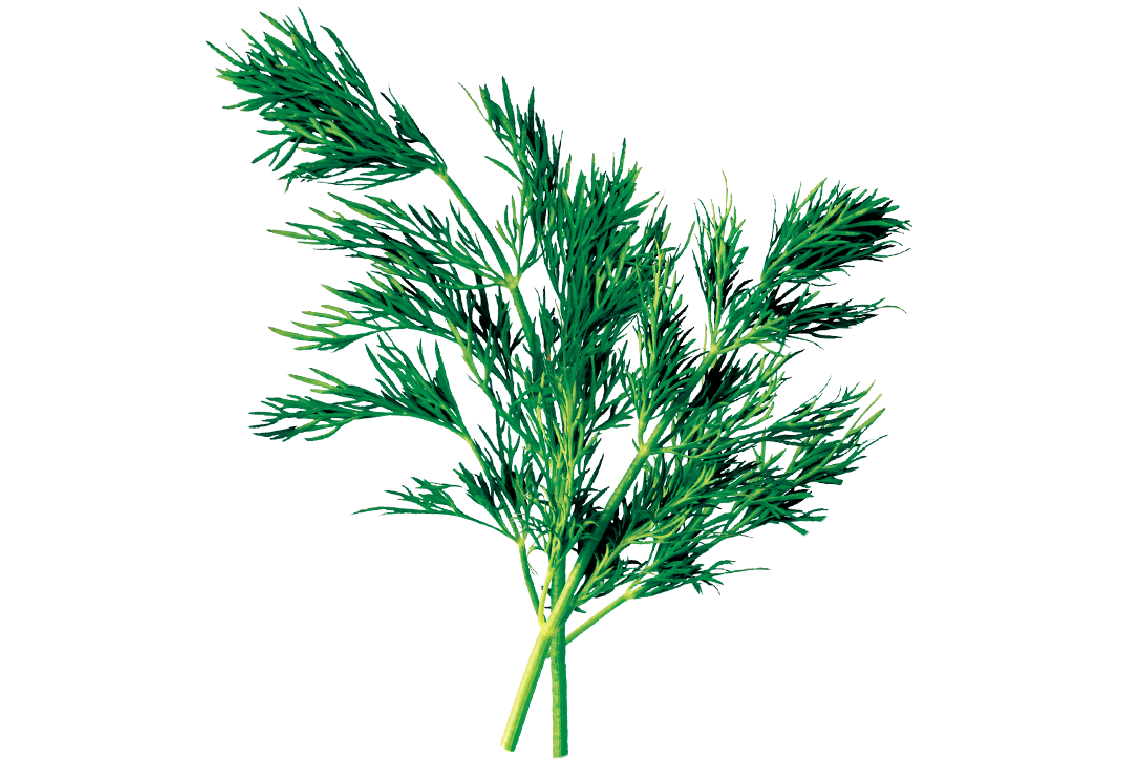
Dill weed is the leafy herb most recipes mean when they call for fresh or dried dill. It has a light, fresh flavor and pairs well with fish, salads, sauces, potatoes, and eggs.
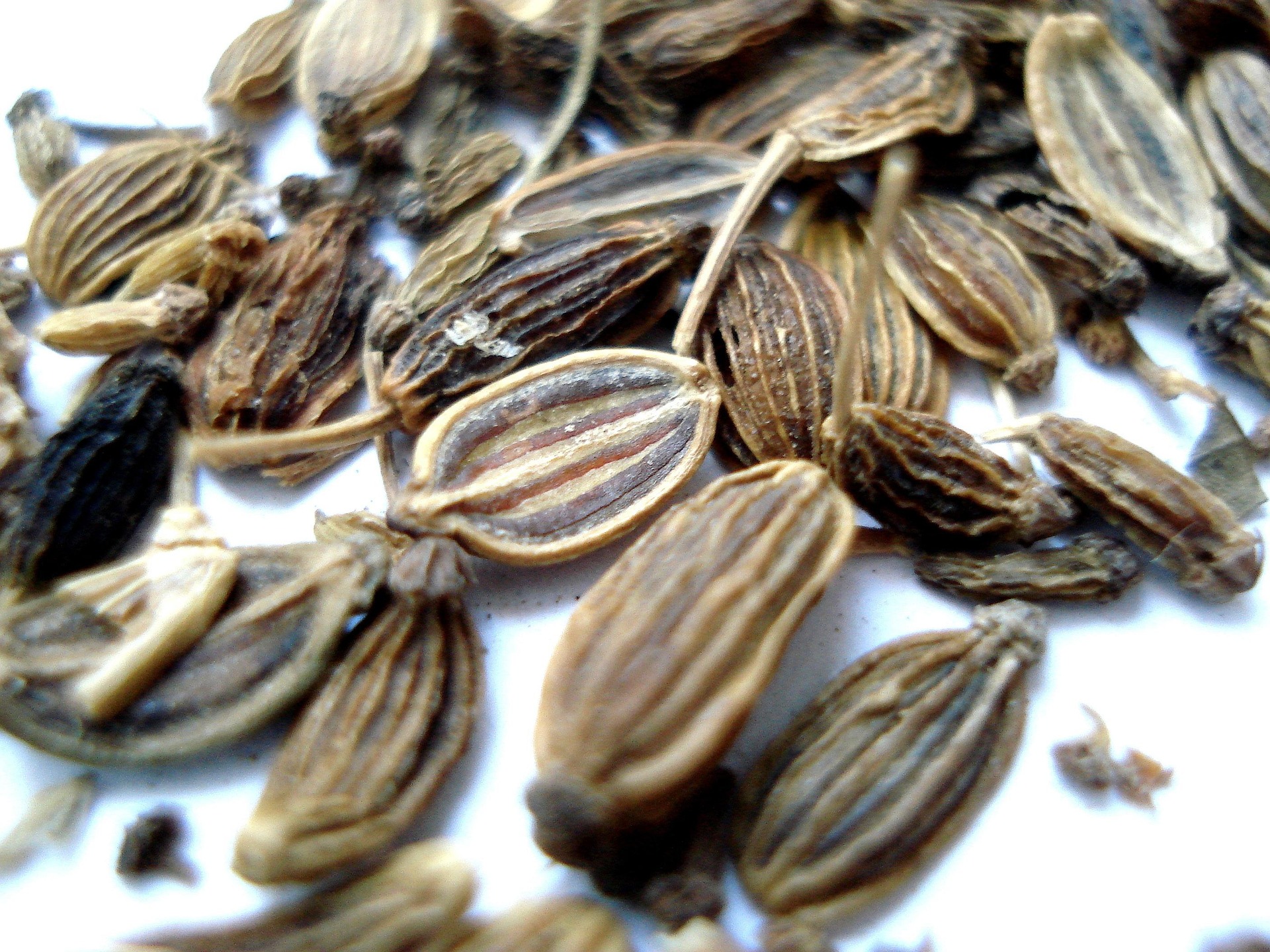
Dill seed has a stronger, warmer flavor. It’s commonly used in pickling and other recipes where that flavor fits naturally.
If a recipe calls for fresh dill or dill weed, replacing it directly with dill seed will change both the flavor and texture. Use dill seed when it suits the specific dish rather than treating it as a universal substitute.
Which Dill Substitute Works Best for What You’re Making?
Sometimes it’s easier to choose a substitute based on the dish.
| What You’re Making | Good Options to Consider |
| Fish or seafood | Dorot Chopped Dill, fennel fronds, tarragon, parsley |
| Salads | Dorot Chopped Dill, fennel fronds, parsley |
| Yogurt or creamy sauces | Dorot Chopped Dill, dried dill, tarragon |
| Potato dishes | Dorot Chopped Dill, dried dill, fennel fronds, parsley |
| Egg dishes | Dorot Chopped Dill, dried dill, tarragon, parsley |
| Soups | Dorot Chopped Dill, dried dill, parsley |
| Fresh garnish | Fresh dill, fennel fronds, parsley |
The best choice still depends on the other flavors in the recipe. Tarragon, for example, may be excellent in a creamy fish sauce but too strong for a delicate salad.
When Is Dill Harder to Replace?
Many recipes can handle a different herb, especially when dill is just one of several seasonings.
Dill is harder to replace when it’s one of the main flavors in the dish, such as in:
- Dill-forward sauces and dips
- Recipes with a large amount of fresh dill
- Dishes where dill is the main garnish
- Pickling recipes designed specifically around dill
- Simple fish dishes where dill provides most of the herb flavor
In these cases, another herb may still taste good, but the finished dish will be noticeably different. If you want to stay closest to the original flavor, frozen or dried dill is usually the better choice.
More Ways to Cook With Dill
Dill pairs well with everyday foods, especially seafood, salads, potatoes, sauces, and fresh vegetables. Try these recipes below:
[recipe_grid]
Looking for something to make next? Explore Dorot Gardens fish recipes for ideas that pair herbs with seafood, or browse our salad recipes for fresh ways to use herbs in dressings, vegetables, and side dishes.