
The best onion powder substitute depends on the recipe. If the dish needs to stay dry, dried minced onion, onion flakes, or granulated onion are usually the closest options. When extra moisture and onion pieces won’t be a problem, fresh, frozen, or sautéed onions can work well in cooked dishes.
What’s the Best Onion Powder Substitute for Your Recipe?
Use this quick guide to choose the onion powder alternatives that best fits your dish.
| If You Need… | Try… | Best For |
| Another dried onion ingredient | Dried minced onion or onion flakes | Soups, sauces, casseroles |
| A dry onion seasoning | Granulated onion | Rubs, seasoning blends, cooked dishes |
| Real onion in a cooked recipe | Fresh onion | Soups, stews, sauces, skillet meals |
| Ready-to-use cooked onion | Frozen or sautéed onions | Sauces, rice dishes, eggs, vegetables |
| Onion flavor with salt included | Onion salt | Savory dishes where you can adjust the salt |
| Another savory seasoning | Garlic powder | Recipes where exact onion flavor is not essential |
For dry recipes, another dried onion product is usually the easiest swap. Fresh, frozen, and prepared onion options are better suited to dishes where extra moisture and texture fit naturally.
1. Dried Minced Onion or Onion Flakes: Best Dry Onion Substitute
Dried minced onion and onion flakes add onion flavor without the moisture of fresh onion. Since the pieces are larger than onion powder, they’ll be more noticeable in the finished dish. They work especially well in:
- Soups
- Stews
- Sauces
- Casseroles
- Rice dishes
- Other moist cooked recipes
In dishes with enough liquid, dried onion will soften as it cooks. If you prefer a finer texture, you can grind the pieces before adding them, as long as the product is suitable for grinding.
Because dried onion products vary in size and strength, check the package directions when available. If no conversion is listed, start with a small amount and add more to taste.
If your recipe calls for minced onion rather than onion powder, see our guide to choosing a minced onion substitute.
2. Granulated Onion: Best for Dry Seasonings
Granulated onion is another dried onion product, but its texture is coarser than onion powder. It’s a good choice when you want to keep a recipe dry.
Try it in:
- Dry rubs
- Seasoning mixes
- Roasted vegetables
- Meat seasonings
- Sauces
- Soups
Since it may not blend as smoothly as onion powder, keep the texture in mind. Its strength can also vary by product, so follow the package directions when available and adjust to taste.
3. Fresh Onion: Best for Cooked Recipes
Fresh onion can work as an onion powder substitute when your recipe can handle onion pieces and extra moisture.
As a starting point, use about ¼ cup of finely chopped fresh onion for 1 teaspoon of onion powder. This is only an estimate because onion varieties, sizes, and flavors differ, so adjust the amount as needed.
Fresh onion works especially well in:
- Soups
- Stews
- Pasta sauces
- Casseroles
- Skillet meals
- Sautés
Unlike onion powder, fresh onion needs time to soften and cook. It also adds texture and moisture, making it less suitable for dry rubs, powdered spice blends, or recipes that need a smooth texture.
4. Frozen or Sautéed Onions: Best for Cooked Dishes
Frozen onions are convenient when you want real onion in a cooked recipe. Regular frozen chopped onions work well in soups, sauces, casseroles, rice dishes, and skillet meals, where they have time to soften.
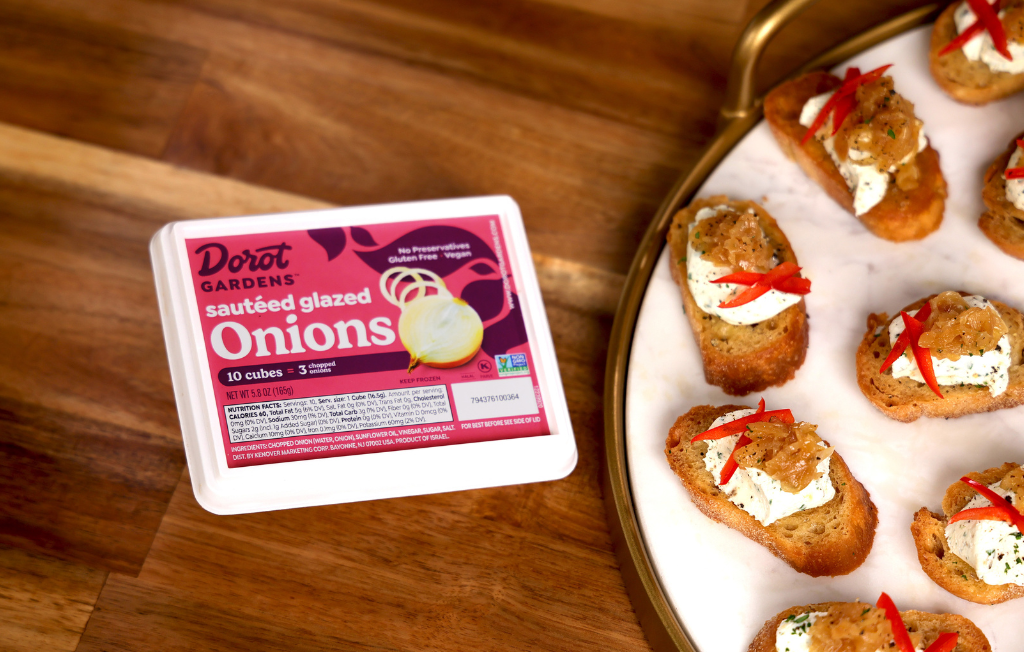
Sautéed onions, on the other hand, have already been cooked, so they’re useful in recipes that would normally begin with soft, golden onions. Dorot Gardens Sautéed Glazed Onions are sautéed before freezing, making them ready to add to your favorite dishes.
Try them in:
- Rice dishes
- Soups
- Sauces
- Egg dishes
- Vegetables
- Skillet meals
Sautéed onions are softer and mellower than raw onion, with a naturally sweeter flavor from cooking. They won’t taste or behave exactly like onion powder, but they can bring cooked-onion flavor to the right recipe.
For that reason, they’re not a good fit for dry applications such as seasoning blends or rubs, where their moisture and texture would affect the result.
5. Onion Salt: Useful When You Can Adjust the Salt
Onion salt can add onion flavor when onion powder is unavailable, but it also adds salt. Reduce the other salt in the recipe as needed, and check the label because the onion-to-salt ratio varies by product.
Onion salt works well in:
- Roasted vegetables
- Meat seasonings
- Soups
- Sauces
- Savory snacks
6. Garlic Powder: When Exact Onion Flavor Isn’t Essential
Garlic powder adds savory flavor, but it doesn’t taste the same as onion powder. It works best when onion is one of several flavors in the recipe rather than the main one.
Try it in:
- Seasoning blends
- Sauces
- Soups
- Marinades
- Meat dishes
- Roasted vegetables
Start with a small amount and adjust to taste. If the recipe depends on onion flavor, dried onion, fresh onion, or cooked onion will usually be a better match.
What About Shallots, Chives, Scallions, and Leeks?
Shallots, chives, scallions, and leeks can all add fresh allium flavor, but they’re better treated as fresh alternatives than direct onion powder replacements.
Each has its own flavor and texture:
- Shallots are mild and slightly sweet.
- Chives have a delicate onion flavor.
- Scallions add fresh onion flavor and visible pieces.
- Leeks are mild and especially good in cooked dishes.
Use these options in soups, sauces, sautés, egg dishes, salads, and other recipes where fresh ingredients fit. Since their flavor and moisture levels vary, adjust the amount to taste.
When Should You Not Replace Onion Powder With Fresh or Frozen Onion?
Fresh and frozen onion options can work well in cooked dishes, but they aren’t right for every recipe. Onion powder is dry, finely ground, and easy to distribute evenly. Fresh and frozen onions add moisture and pieces, while cooked onions bring cooked flavor and a softer texture.
Fresh or frozen onion may not be the best fit for:
- Dry rubs
- Powdered seasoning blends
- Popcorn or snack seasonings
- Recipes that need a smooth texture
- Dishes where extra moisture would change the result
For these recipes, dried onion flakes, granulated onion, onion salt, or another dry seasoning will usually work better.
Where Do Dorot Sautéed Glazed Onions Fit?
Dorot Gardens Sautéed Glazed Onions are best used as a replacement for cooked onion, not as a direct one-to-one replacement for onion powder.
They’re already sautéed and frozen in convenient portions, so they’re ready for recipes that would normally begin with cooking onions until soft. According to Dorot Gardens’ product information, one tray equals three chopped onions.
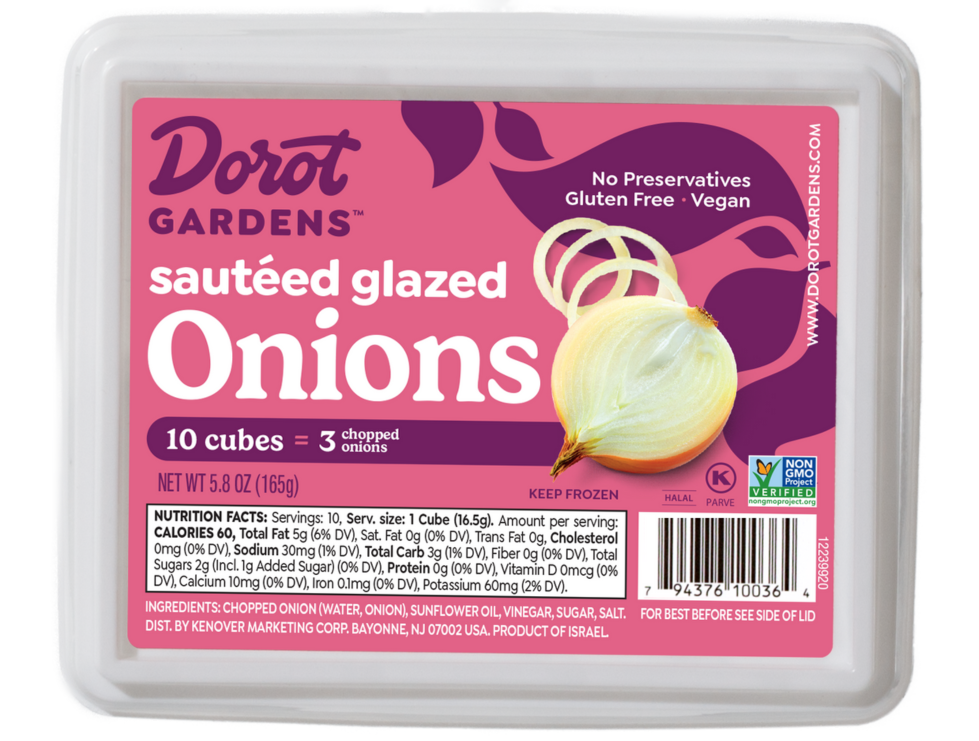
Add them to soups, sauces, rice dishes, vegetables, egg dishes, and skillet meals. Since they contain real onion pieces and moisture, choose a dry substitute when your recipe depends on the fine texture of onion powder.
More Ways to Cook With Onion
If you have prepared onions in the freezer, there are plenty of ways to use them beyond simple substitutions. Try these recipes below:
[recipe_grid]
Explore our onion recipes for more ideas using onion in soups, sauces, rice dishes, vegetables, and everyday meals.