
Fresh garlic adds bold flavor and aroma to everything from stir-fries and soups to marinades and sauces. But peeling, chopping, and storing fresh cloves is not always convenient. Whether you’ve run out or simply want an easier option, choosing the right substitute for fresh garlic can keep dinner moving without losing the flavor your recipe needs.
Here are five common alternatives, when to use them, and what to consider when making the swap.
Keep Garlic Ready Without the Prep
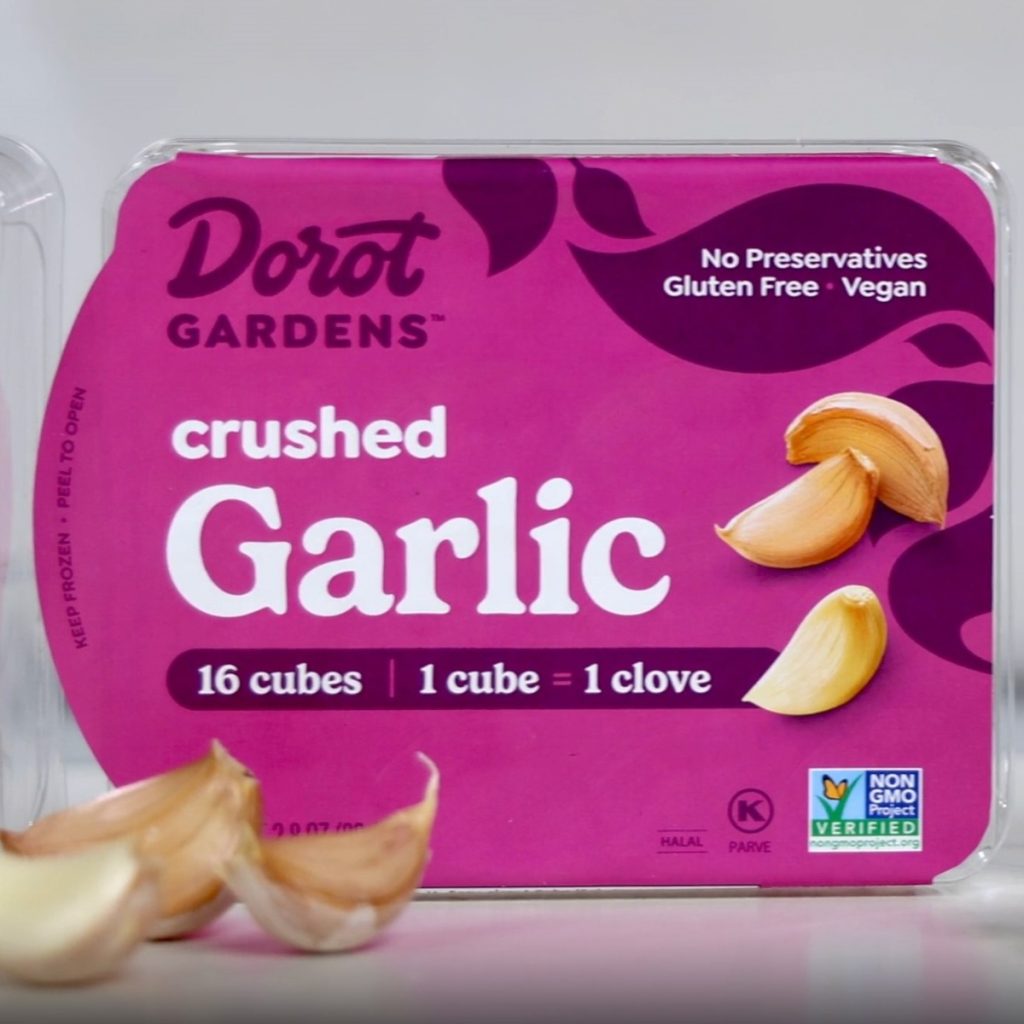
Dorot Gardens Crushed Garlic is frozen and pre-portioned, with one cube equal to one garlic clove. Just take out what your recipe calls for and keep the rest in the freezer.
Why You Might Need a Fresh Garlic Substitute
Fresh garlic works in countless recipes, but there are plenty of times when another option makes sense:
- You’re cooking in a hurry
- Your fresh garlic has sprouted or dried out
- You prefer ingredients that are already portioned
- You want something that can stay ready for future meals
- You’re meal prepping or cooking away from home
University of Illinois Extension notes that garlic comes in several convenient forms, including jarred minced garlic, granules, and garlic powder. Each works differently, so the best choice depends on what you’re cooking.
Top 5 Substitutes for Fresh Garlic
Here are five options to consider when fresh cloves are not available or you simply want less prep.
1. Frozen Garlic Cubes
Frozen garlic cubes are useful when you want real crushed garlic without peeling or chopping cloves first.
Dorot Gardens Crushed Garlic comes in pre-portioned frozen cubes, with one cube equal to one clove of garlic. The cubes can go straight from the freezer into soups, sauces, stir-fries, marinades, and other cooked dishes.
Dorot Gardens also gives its frozen garlic a two-year shelf life when stored properly, making it easy to keep garlic ready in the freezer for future meals.
Pros:
- 1 Dorot cube = 1 garlic clove
- No peeling or chopping
- Pre-portioned for easy measuring
- Two-year shelf life
- Use only the amount you need
2. Garlic Paste
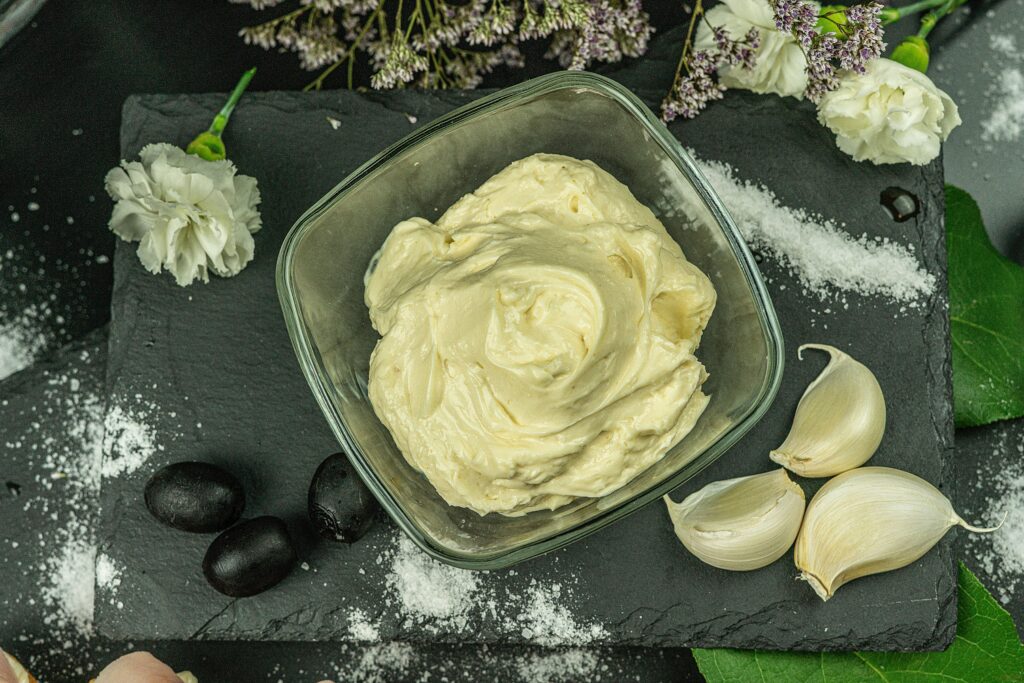
Garlic paste is smooth and easy to mix into sauces, marinades, dips, and dressings. Depending on the product, it may contain additional ingredients such as oil, salt, or acid, so it is worth checking the label before substituting it directly for fresh garlic.
Its smooth texture also means it will behave differently from chopped or crushed fresh cloves.
Pros:
- Easy to stir into recipes
- No chopping required
- Useful in sauces and marinades
Things to consider:
- Ingredients and intensity vary by product
- Texture differs from fresh chopped garlic
3. Jarred Minced Garlic
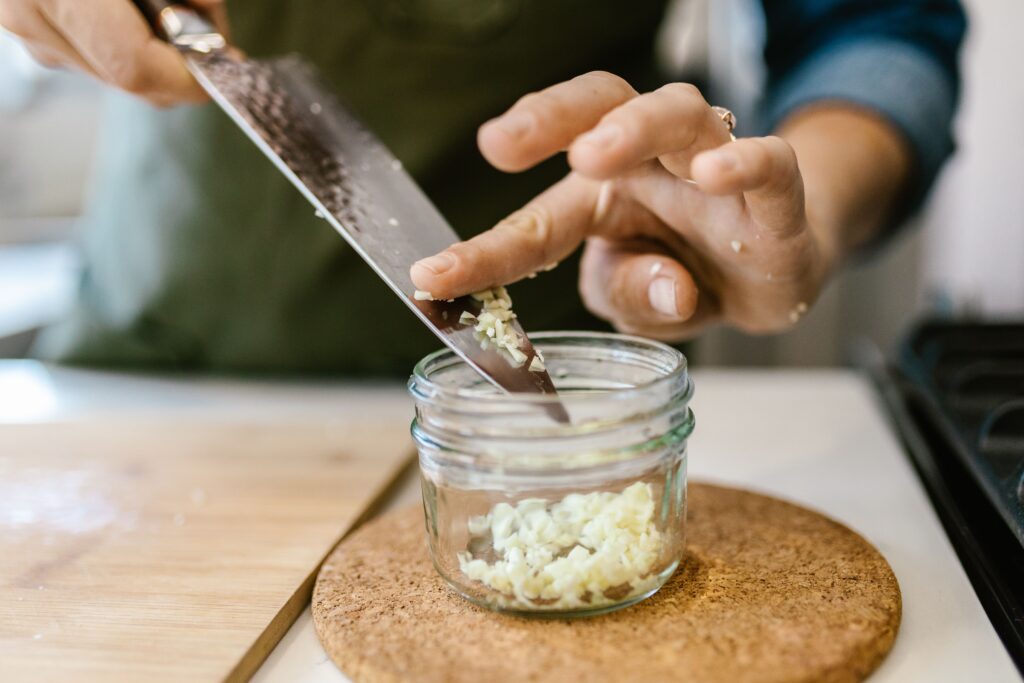
Jarred minced garlic is another
ready-to-use option. It can work well in casseroles, soups, sauces, and other recipes where you want garlic distributed throughout the dish without chopping fresh cloves.
Flavor and concentration can vary between products, so follow the serving guidance on the jar and adjust to taste.
Pros:
- Ready to use
- Easy to measure
- Convenient for everyday cooking
Things to consider:
- Flavor can differ from fresh garlic
- Storage instructions vary by product
4. Garlic Powder or Granules
Garlic powder and granulated garlic are dry options that work particularly well in spice blends, rubs, sauces, soups, and dips.
Because dried garlic is more concentrated than fresh garlic, you need much less. Colorado State University Extension suggests approximately 1/8 teaspoon of garlic powder for one small garlic clove.
They will not provide the same texture as fresh or frozen crushed garlic, but they are useful when a dry seasoning works better for the recipe.
Pros:
- Long-lasting pantry staple
- Easy to add to dry seasoning blends
- Requires no preparation
Things to consider:
- No fresh-garlic texture
- Use a smaller quantity than fresh garlic
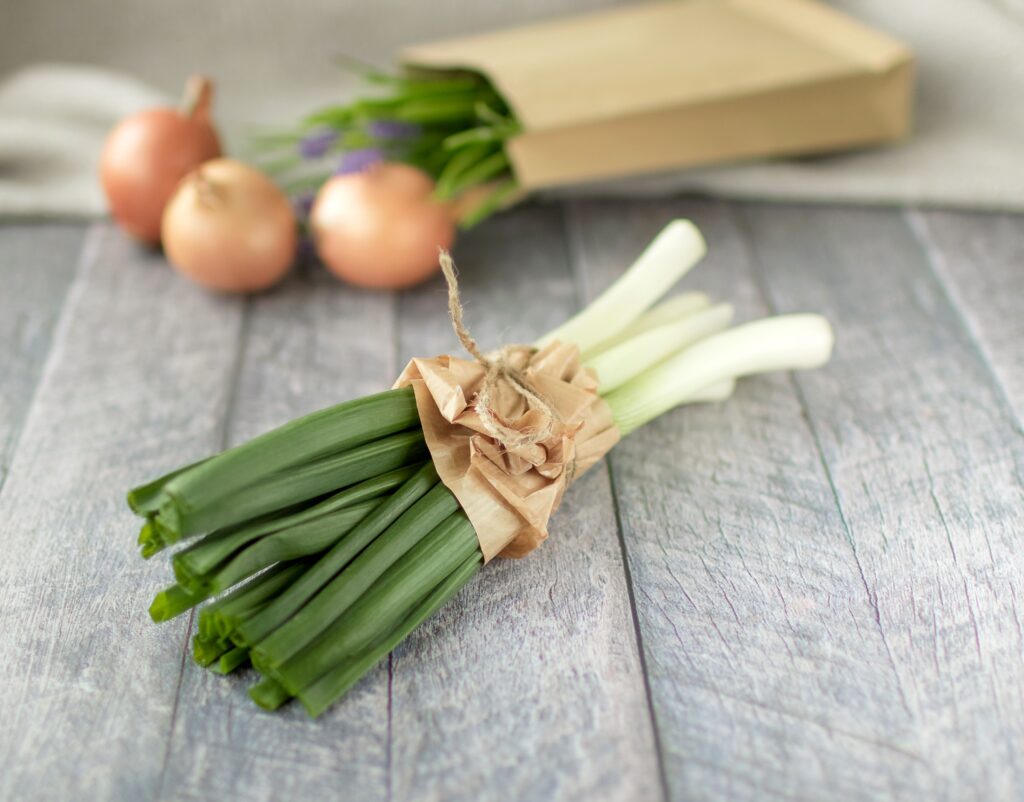
5. Shallots, Leeks, or Onions
Shallots, leeks, and onions are not direct replacements for garlic, but they can provide an aromatic, savory base when garlic is not essential to the recipe.
They work particularly well in soups, stews, sauces, and braises where several aromatics cook together.
Pros:
- Useful aromatic alternatives
- Add flavor and body
- Work well in slow-cooked dishes
Things to consider:
- They do not taste like garlic
- They will change the overall flavor of the dish
Which Fresh Garlic Substitute Should You Choose?
The right option depends on how you are using the garlic.
| Substitute | Best Use Cases | What to Know |
| Frozen Garlic Cubes | Sauces, stir-fries, soups, marinades | Dorot: 1 cube = 1 clove; no chopping |
| Garlic Paste | Dips, marinades, dressings | Smooth texture; ingredients vary |
| Jarred Minced Garlic | Soups, casseroles, sauces | Convenient; follow package measurements |
| Garlic Powder | Spice rubs, dry mixes, soups | Concentrated and dry |
| Onions/Shallots | Soups, stocks, slow-cooked dishes | Aromatic, but not garlicky |
For recipes that specifically call for a clove of garlic, Dorot Gardens frozen garlic cubes offer a particularly simple conversion because each cube is already portioned to equal one clove.
Extra Tips for Swapping Garlic
- Check the amount first. Different forms of garlic have different concentrations, so do not automatically substitute them spoon-for-spoon.
- Start small when using dried garlic. You can always add more after tasting.
- Think about texture. Garlic powder disappears into a dish, while minced, crushed, or frozen garlic provides more texture.
- Consider how the garlic is being used. A dry rub may suit garlic powder, while a soup, sauce, or skillet dish can work well with frozen crushed garlic.
- Follow package directions. Measurements and storage requirements can vary between garlic pastes and jarred products.