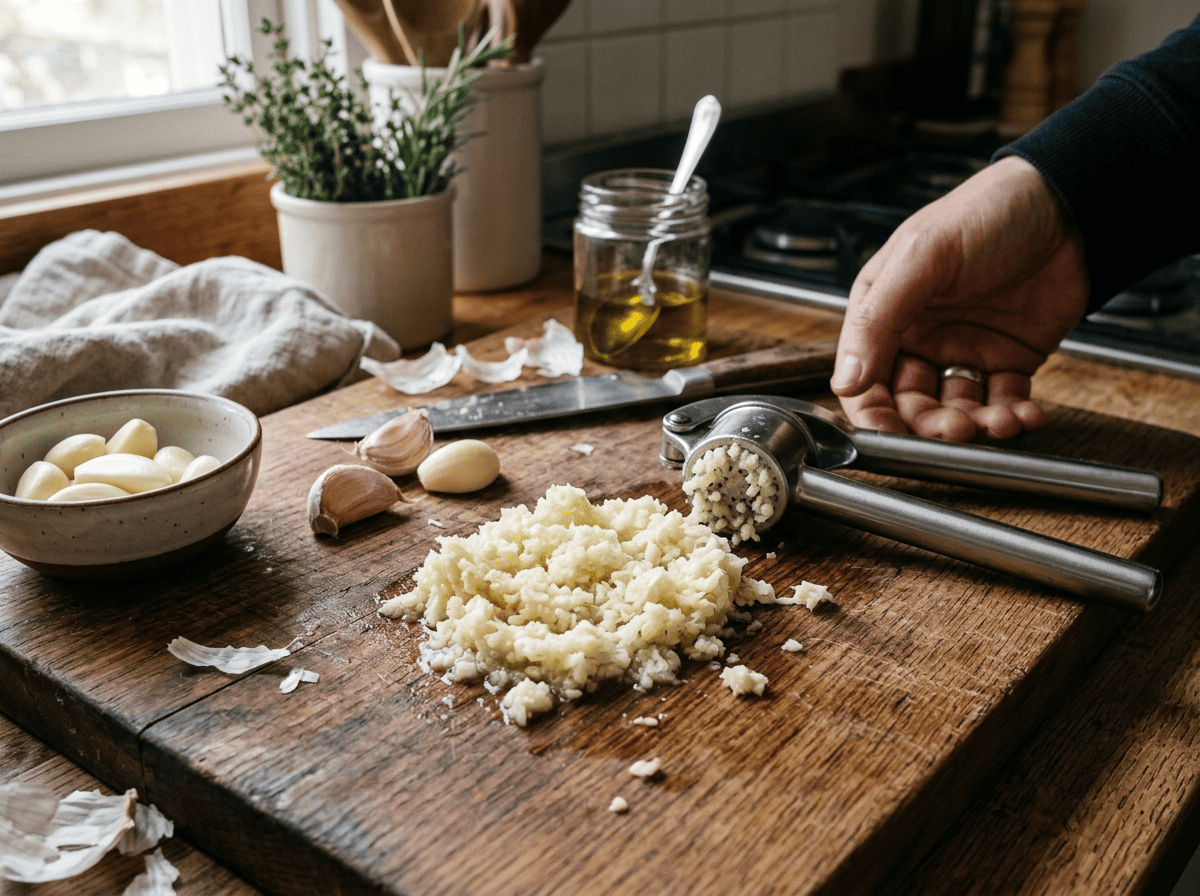
Many home cooks have the same question as you: “Why did my garlic turn green or blue?” Here’s the answer:
Garlic can turn green or blue when its natural enzymes and sulfur compounds react after the cloves are cut, crushed, cooked, pickled, or mixed with acidic ingredients. This color change is usually harmless—as long as the garlic was fresh and stored properly.
However, if you notice fuzzy growth, slime, excessive softness, or a strong, unpleasant smell, it’s best to throw it out.
Why Does Crushed Garlic Turn Green More Easily?
Crushed garlic is more likely to turn green because more of its cells are broken open.
The finer you chop, grate, or crush it, the more surface area is exposed—giving those compounds more opportunity to react.
You’re more likely to see a color change when crushed garlic:
- Sits out before cooking
- Comes into contact with lemon juice or vinegar
- Is mixed with raw onions
- Cooks slowly over low heat
- Is used in pickling or fermentation
- Comes from an older bulb
Even so, it doesn’t happen every time. The outcome depends on the garlic itself and how it’s used.
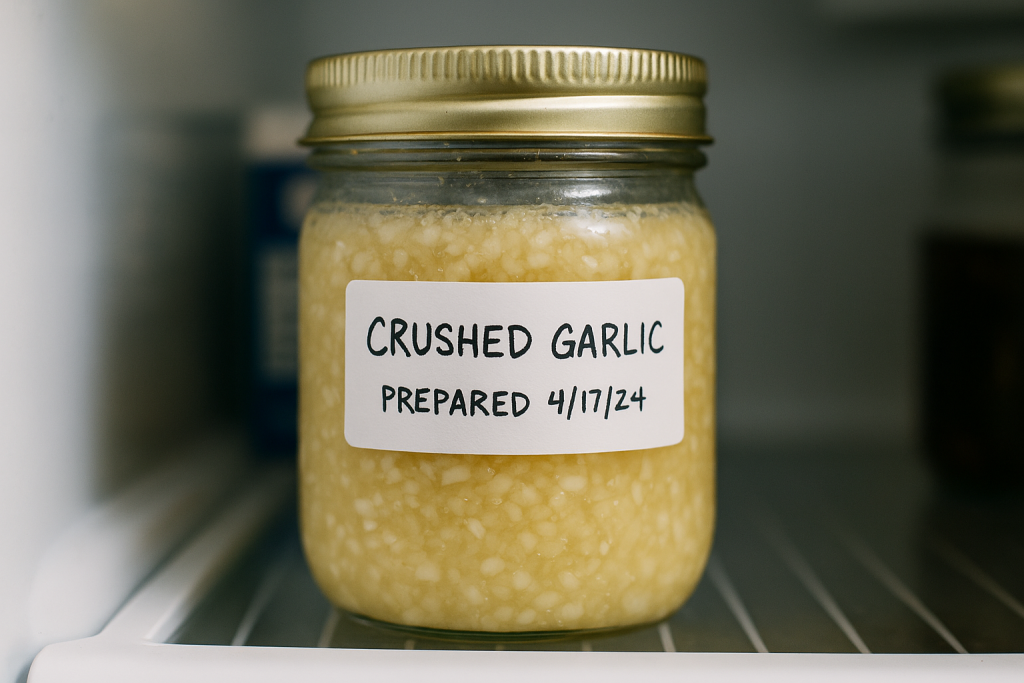
Why Does Garlic Sometimes Turn Blue Instead of Green?
Blue and green garlic result from the same reaction—it simply appears in different shades.
Depending on the garlic and the conditions, you might see bright blue, teal, yellow-green, or darker green tones.
Several factors can influence the final color:
- The age and variety of the garlic
- How finely it’s prepared
- The acidity of the dish
- Cooking temperature
- Contact with onions or other ingredients
- Pickling or fermentation conditions
While the color may seem surprising, it’s completely natural—not artificial.
Is Green Garlic Safe to Eat?
When garlic turns green or blue during cooking, pickling, or fermentation, it’s generally safe to eat—as long as it started out fresh and was handled properly.
The key is distinguishing between a harmless color change and actual spoilage.
| What you see | Likely explanation | What to do |
| Smooth blue or green color during cooking | Natural pigment reaction | Usually safe to eat |
| Blue-green garlic in pickles or ferments | Reaction with acid | Usually safe if prepared and stored correctly |
| Green shoot inside the clove | Sprouting | Edible, but may taste slightly bitter |
| Fuzzy or powdery green patches | Possible mold | Discard the garlic |
| Slimy texture or strong odor | Spoilage | Discard the garlic |
In short, color alone isn’t usually a concern. However, if the garlic smells off, feels slimy, or shows signs of mold, it’s best not to use it.
What Causes Garlic Color Change?
Several factors can make garlic more likely to turn green or blue.
Older Garlic
As garlic ages, its internal compounds shift, increasing the likelihood of discoloration during cooking.
Acidic Ingredients
Acids like vinegar, lemon juice, and wine can trigger the reaction.
You’ll often see this in:
- Pickles
- Marinades
- Salad dressings
- Wine-based sauces
- Fermented vegetables
- Recipes with lemon juice
In these cases, the color may develop gradually as the garlic sits in the mixture.
Crushing, Grating, or Mincing
Breaking garlic down releases more reactive compounds, making color changes more likely. Whole cloves are less prone to this effect.
Slow Cooking
Cooking garlic slowly gives its compounds more time to react. By contrast, cooking it briefly over moderate heat may help reduce discoloration.
Raw Onions
Garlic and onions share similar sulfur compounds, so mixing them raw can increase the chance of a color change. Cooking the onions first and adding garlic later can help minimize this.
Pickling and Fermentation
Both processes create acidic environments that encourage color changes—especially when garlic is cut or crushed.
Metals and Minerals
Certain metals can react with acidic ingredients and contribute to discoloration. Using glass or stainless steel helps prevent this.
Does Green or Blue Garlic Taste Different?
The color itself doesn’t usually affect the taste.
However, garlic that turns green often comes from older bulbs, which may have a stronger flavor. Pickling and fermentation can also change taste, regardless of color.
In most dishes, a slight blue-green tint won’t make a noticeable difference.
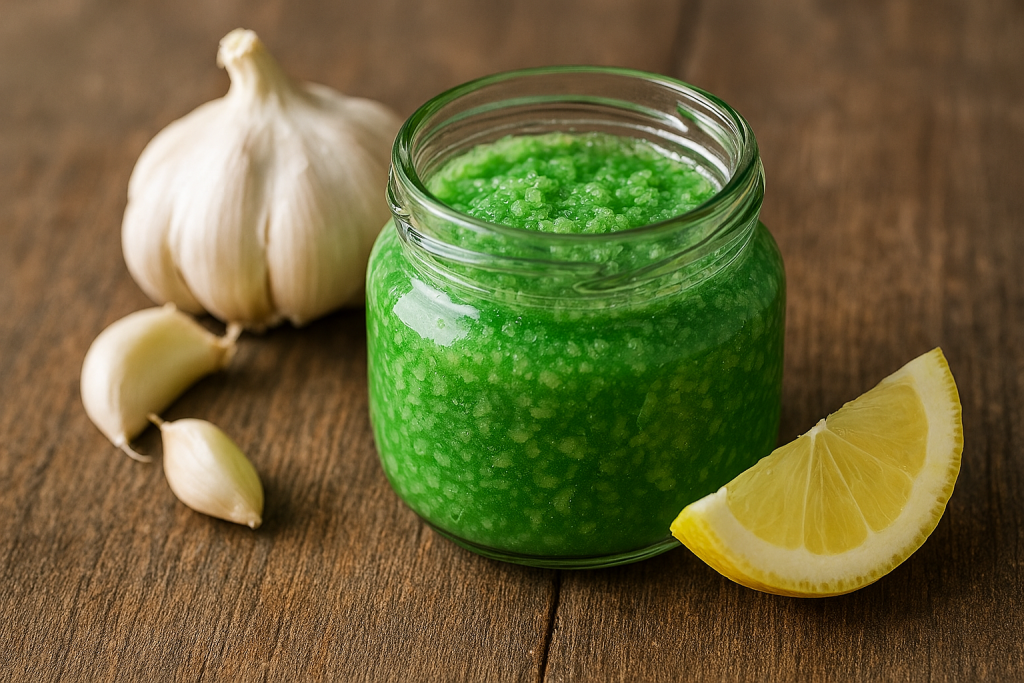
How to Prevent Garlic From Turning Green or Blue
While you can’t always prevent garlic from changing color, a few simple steps can help reduce the chances.
Use Fresh Garlic
Choose firm, dry bulbs without soft spots or mold.
Prep Garlic Right Before Cooking
Crush or chop garlic just before using it to limit reaction time.
Keep Prepared Garlic Cool
If you prep ahead, refrigerate it and use it soon after.
Cook Onions First
Start with the onions, then add garlic later to reduce interaction between raw compounds.
Add Acid Later
Cook garlic briefly before adding acidic ingredients.
Avoid Long, Slow Cooking
Cook garlic quickly over moderate heat to limit reaction time.
Use Nonreactive Tools
Stick to glass or stainless steel when working with acidic recipes.
Blanch for Pickling (Optional)
Blanching can reduce discoloration, though it may affect flavor and texture. Follow your recipe’s guidance.
Why Does Garlic Turn Green in Pickles and Ferments?
Garlic often turns green or blue in pickles because vinegar creates an acidic environment that encourages pigment formation.
Fermentation works similarly, as lactic acid develops over time.
This is more likely when garlic is:
- Crushed
- Cut into small pieces
- Bruised
- Older
- Left in acid for longer periods
In some cases, the color is even intentional such as in Chinese Laba garlic. The color itself doesn’t determine safety. Proper preparation and storage matter far more.
How Should Fresh Garlic Be Stored?
To keep garlic fresh, store whole bulbs in a cool, dry place with good airflow, away from direct sunlight.
Avoid airtight containers, as they trap moisture. Refrigerating whole bulbs isn’t ideal either, since it can encourage sprouting.
Once garlic is peeled or crushed, use it quickly and refrigerate it for a short time.
Take extra care with garlic stored in oil. Homemade garlic-in-oil mixtures can pose food safety risks if not handled properly, so always follow trusted guidelines.
Here’s a Convenient Way to Keep Crushed Garlic Ready
Working with fresh garlic takes time—peeling, chopping, and measuring.
Dorot Gardens crushed garlic cubes offer a simple alternative, making it easy to keep real crushed garlic ready in your freezer. The garlic is pre-portioned and flash-frozen, so you can skip prep and avoid some of the variables that lead to discoloration.
Each cube equals about one clove, making it easy to use just what you need.
Just pop out a cube and drop it straight into your dish.
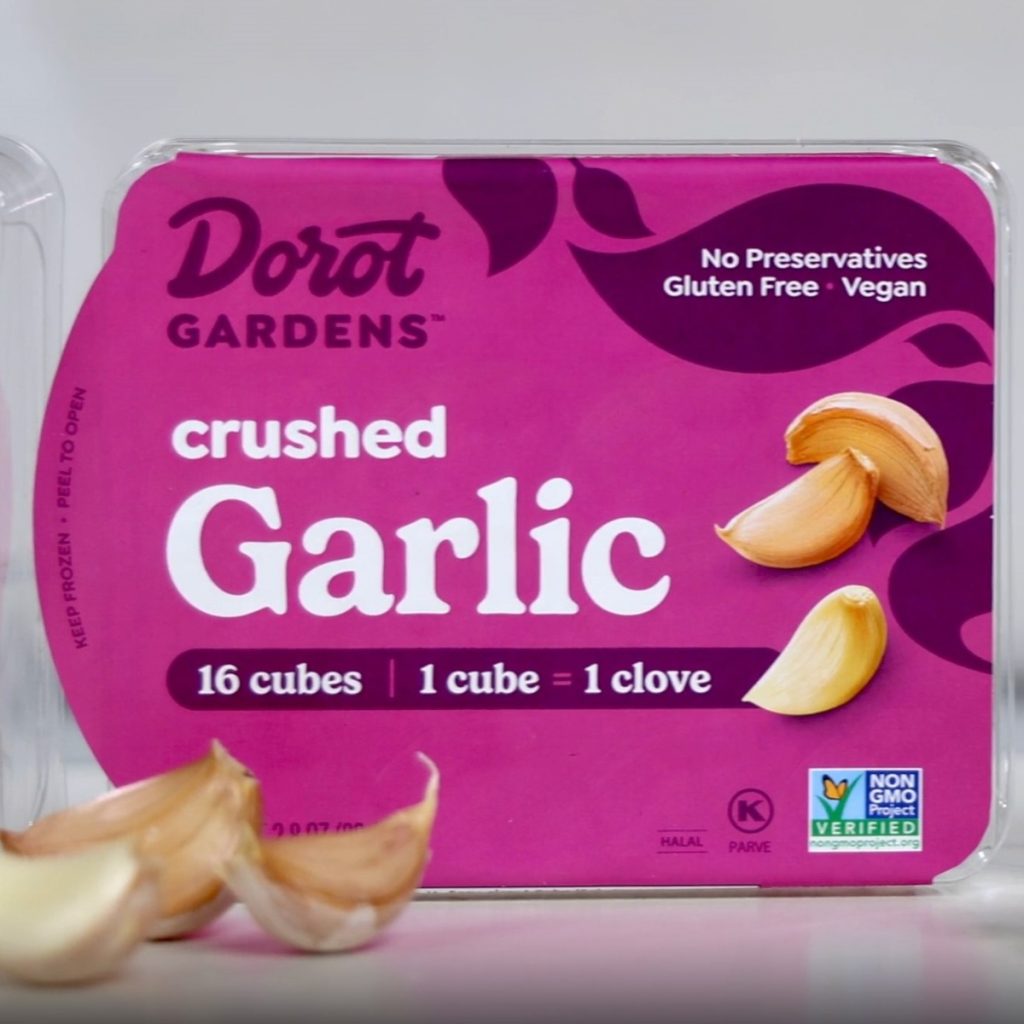
Dorot Gardens crushed garlic works great in:
- Pasta sauces
- Soups
- Marinades
- Stir-fries
- Roasted vegetables
- Dressings
- Stews
- Garlic butter
Browse easy recipes using garlic for more ideas.
You can also visit the Dorot Gardens product FAQs or explore all Dorot Gardens products to learn more.
FAQs
Is green garlic safe to eat?
Yes, green or blue garlic is usually safe to eat if it was fresh to begin with and shows no signs of spoilage. The color change is a natural chemical reaction—not mold. However, if the garlic smells bad, feels slimy, or has fuzzy growth, it should be discarded.
Why did my garlic turn green or blue?
Garlic turns blue or green when its natural sulfur compounds react with enzymes after being cut, crushed, or exposed to acidic ingredients like vinegar or lemon juice. Factors like older garlic, slow cooking, and mixing with onions can increase the likelihood of this color change.
Does frozen garlic color change?
Frozen garlic can still turn green or blue once it’s thawed or cooked, especially if it’s crushed or exposed to acidic ingredients. Freezing slows down reactions but doesn’t completely prevent them. Proper storage and handling still matter.
Keep Real Garlic Ready in Your Freezer
Now that you know why garlic turns green, there’s no need to worry when it happens.
A smooth blue-green color is usually just a natural reaction—not a sign of spoilage. When in doubt, check the garlic’s smell, texture, and overall condition.
For an easy way to keep garlic on hand, store Dorot Gardens garlic cubes in your freezer. No peeling or chopping—just real garlic flavor whenever you need it.
Pop. Drop. Done.®