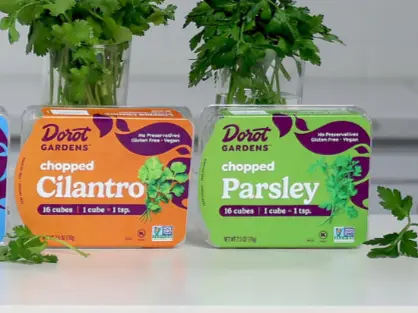
Cilantro and parsley may look alike, but they’re different herbs. The main difference between cilantro and parsley comes down to flavor, aroma, and how each one works in a recipe: cilantro is bright and citrusy, while parsley is milder, fresher, and grassier.
Understanding these differences makes it easier to choose the right herb for your dish and decide whether one can stand in for the other
Cilantro vs. Parsley: A Quick Kitchen Comparison
Choosing between cilantro and parsley? This quick comparison highlights the differences that matter most in the kitchen.
| Cilantro | Parsley | |
| Leaf shape | Delicate leaves with rounded, scalloped edges | More pointed leaves with defined edges |
| Aroma | Bright, citrusy, and distinctive | Mild, fresh, and grassy |
| Flavor | Fresh, tangy, and citrusy | Fresh, grassy, and mildly peppery |
| Common uses | Salsa, guacamole, curries, dressings, and sauces | Soups, sauces, marinades, tabbouleh, and garnishes |
| Cooking | Often used fresh or added near the end | Works well fresh or in cooked dishes |
| Can you substitute it? | Sometimes, depending on the dish | Sometimes, but the flavor will change |
Cilantro and parsley belong to the same botanical family, Apiaceae, but they’re different plants with distinct flavors and common uses.
How Can You Tell Cilantro and Parsley Apart?
Flat-leaf parsley is the variety most often mistaken for cilantro. Look closely, and you’ll notice that cilantro usually has delicate leaves with rounded, scalloped edges, while flat-leaf parsley has sharper, more defined points.
If appearance isn’t enough, smell can help distinguish them. Cilantro has a stronger, citrusy aroma, while parsley smells milder, fresher, and grassier.
For some people, cilantro has a soapy taste or aroma. This natural difference in perception can make cilantro seem especially strong compared with parsley.

How Do Cilantro and Parsley Taste, and When Should You Use Them?
Cilantro brings a bright, fresh, citrusy flavor to food. It’s a natural fit for dishes where the herb is meant to stand out, including salsa, guacamole, dressings, curries, sauces, and many Mexican- and Asian-inspired recipes. It’s often used fresh or added near the end of cooking to help preserve its bright flavor.
Looking for ideas beyond salsa and guacamole? Explore our cilantro recipes for more ways to use this fresh herb in everyday meals.
Parsley, by comparison, has a gentler flavor. That makes it a versatile choice when you want a fresh herb note without overpowering the other ingredients. Use it in soups, sauces, marinades, grain dishes, tabbouleh, meat dishes, or as a garnish. It works well both fresh and in cooked recipes.
As a simple rule, choose cilantro for a bright, citrusy note and parsley for a milder, fresh herb flavor.
Can You Substitute Parsley for Cilantro?
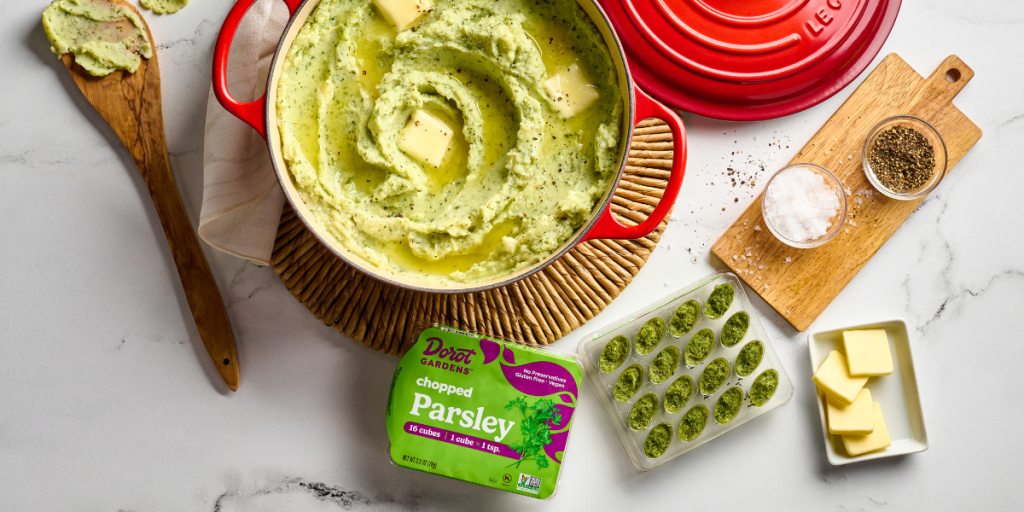
Sometimes. Parsley can work as a cilantro substitute when the herb plays a supporting role—for example, when you want a fresh garnish or a mild herb flavor.
It won’t, however, recreate cilantro’s distinctive citrusy taste. If cilantro is central to the dish, such as in salsa or a cilantro-based sauce, you’ll notice the difference.
The same applies in reverse. Cilantro can sometimes work as a parsley substitute, but its stronger flavor may change the balance of a recipe designed for parsley.
If you don’t have cilantro—or simply don’t enjoy its flavor—see our guide to the best cilantro substitutes for alternatives that may work better in your recipe.
Fresh or Frozen Cilantro and Parsley: Which Works Best?
Fresh herbs are the better choice when the look and texture of whole leaves matter, such as in a salad or as a garnish.
When the herb will be stirred or blended into soups, sauces, marinades, dressings, dips, rice dishes, and other recipes, frozen portions offer a convenient alternative.
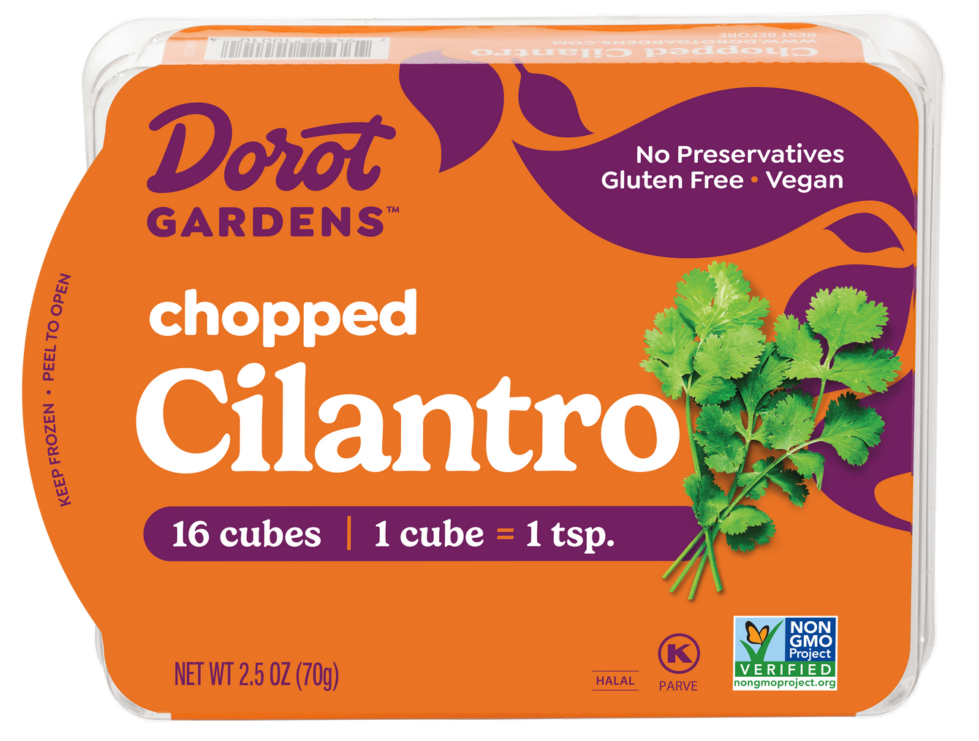
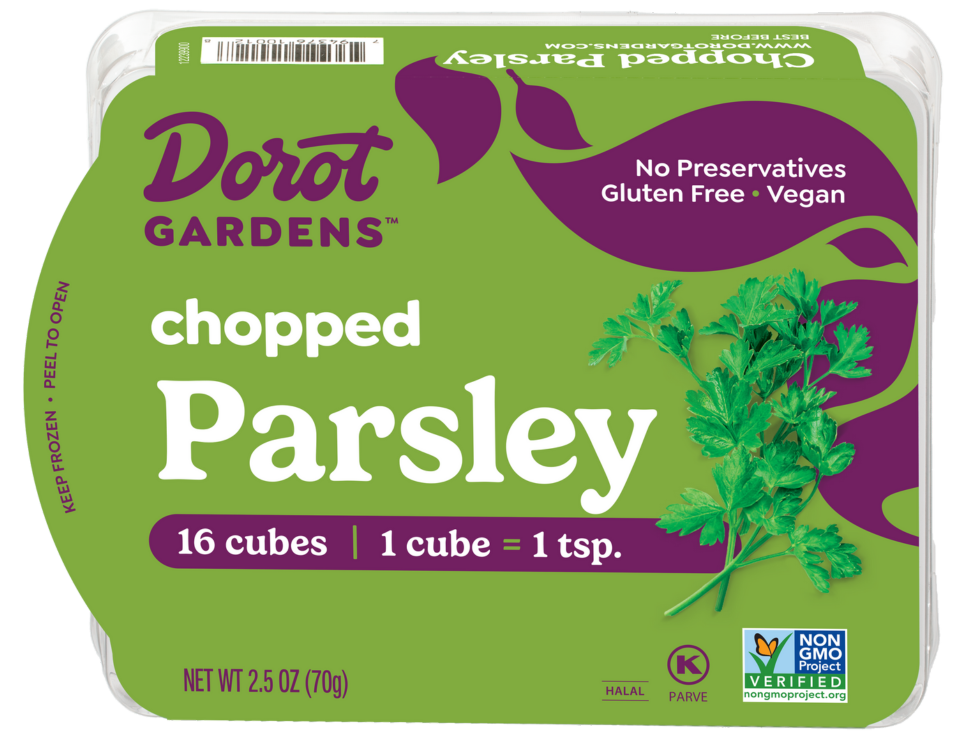
Dorot Gardens offers pre-portioned frozen cilantro cubes and chopped parsley that are ready to use straight from the freezer. Each cube contains about one teaspoon, so you can measure what you need without washing or chopping a fresh bunch.
Dorot cilantro can go directly into cooked dishes. For cold foods such as dips, dressings, or guacamole, let the portion soften briefly before stirring it in.
In short, frozen herbs are especially useful when they’ll be mixed into a dish. Fresh leaves may be a better choice when you want a crisp texture or a whole-leaf garnish.